Gypsum Mining and Processing in California: Equipment and Industry Insights
Industry Background
California is a significant producer of gypsum, a versatile mineral used in construction (e.g., drywall, cement) and agriculture. The state’s arid regions, particularly the Imperial Valley and Death Valley, host substantial gypsum deposits. Mining gypsum requires specialized crushing and screening equipment to produce high-quality aggregates for industrial applications. The demand for efficient gypsum processing has driven advancements in crushing and sand-making machinery.
Core Equipment for Gypsum Processing
1. Jaw Crushers: Primary crushing of raw gypsum ore into manageable sizes (e.g., 150–200 mm). Heavy-duty models like the PE series ensure durability in abrasive conditions.
2. Impact Crushers: Secondary crushing to produce finer particles (≤50 mm), ideal for gypsum’s soft and brittle nature. Horizontal shaft impactors (HSI) minimize overgrinding.
3. Hammer Mills: For further size reduction, especially in agricultural gypsum production.
4. Vibrating Screens: Separate gypsum into graded fractions (e.g., 0–5 mm for plaster, 5–20 mm for cement).
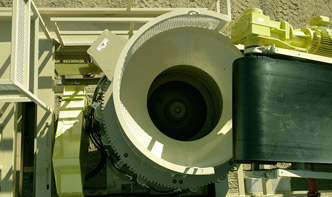
5. Sand Makers (VSI Crushers): Process crushed gypsum into artificial sand for construction blends, optimizing particle shape and uniformity.
Key Considerations
FAQ
Q1: What’s the typical gypsum output size for wallboard production?
A: 80% ≤ 2 mm, achieved via tertiary crushing and ball milling.
Q2: How to mitigate gypsum’s stickiness during crushing?
A: Preheat raw material (≤100°C) or use crushers with anti-clogging designs (e.g., flared chambers).
Q3: Are mobile crushers suitable for gypsum mining?
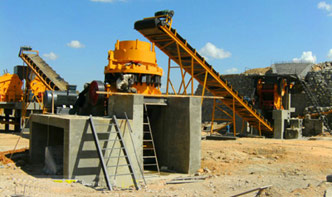
A: Yes, compact mobile units (e.g., track-mounted impact crushers) are ideal for remote sites.
Engineering Case: Imperial Valley Gypsum Plant
A California-based operator deployed a 200 TPH semi-mobile crushing plant, including:
The system achieved 30% lower dust emissions and 15% energy savings via hybrid power.
Conclusion
Gypsum mining in California demands tailored crushing solutions balancing efficiency, environmental compliance, and product quality. Advances in wear-resistant materials and smart control systems (e.g., IoT-enabled monitoring) are shaping the future of gypsum processing.

