Understanding Crusher Run: Conversion from Cubic Yards to Tons and Its Role in Aggregate Production
The construction and mining industries rely heavily on aggregates like crusher run—a versatile material composed of crushed stone and stone dust. As a key component in road bases, driveways, and drainage systems, crusher run’s density and compaction properties make it a preferred choice. However, accurate measurement conversions (e.g., cubic yards to tons) are critical for project planning and cost efficiency.
Industry Background
Aggregates form the backbone of infrastructure, with crusher run offering superior stability due to its blend of coarse and fine particles. Produced by crushing limestone, granite, or other hard rock, it meets ASTM and AASHTO standards for load-bearing applications. The rise in urban development and road construction has amplified demand, driving innovations in crushing equipment to optimize gradation and reduce waste.
Product Core: Crusher Run Properties
10 yd³ × 1.25 tons/yd³ = 12.5 tons.
FAQ Section
1. Why does crusher run weight vary?
Moisture content and stone type (e.g., limestone vs. granite) affect density. Always verify with supplier data.
2. How is crusher run produced?
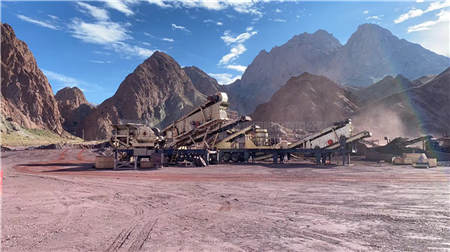
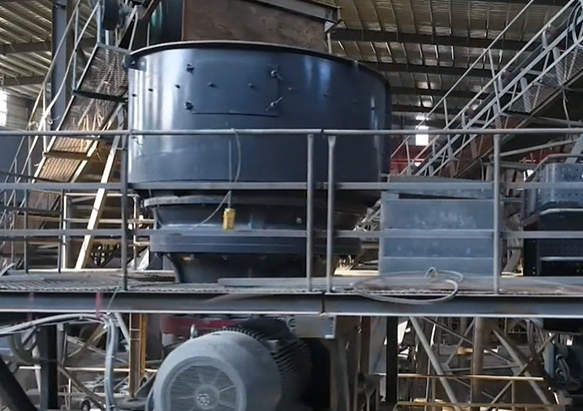
A jaw crusher or cone crusher breaks down rock, followed by screening to achieve the desired size blend.
3. What’s the coverage per ton?
At a 2″ depth, 1 ton covers ~100 sq ft (varies by compaction).
Engineering Case Study
A highway project in Texas required 5,000 tons of crusher run for sub-base construction. Using a density of 1.3 tons/yd³, contractors calculated ~3,846 yd³ of material, ensuring precise logistics and cost control. The project highlighted the importance of onsite compaction tests to validate theoretical conversions.
Conclusion
Understanding crusher run conversions ensures efficient material utilization. As aggregate production evolves with automation and sustainable practices, accurate measurements remain foundational to project success. Always consult technical specs and conduct field tests to account for variables like moisture and compaction.