Reversible Impact Hammer Crusher Mechanism in the Aggregates Industry
The aggregates and sand production industry is a cornerstone of modern construction, providing essential materials for infrastructure, buildings, and roadways. Among the critical equipment in this sector, the reversible impact hammer crusher stands out for its efficiency and versatility in processing medium-hard to hard materials like limestone, coal, and recycled concrete.
Global demand for high-quality aggregates continues to rise, driven by urbanization and sustainable construction practices. Traditional jaw and cone crushers dominate primary crushing, but secondary and tertiary stages often require finer control over particle size and shape. This is where reversible impact hammer crushers excel, offering adjustable output gradation with minimal over-crushing.
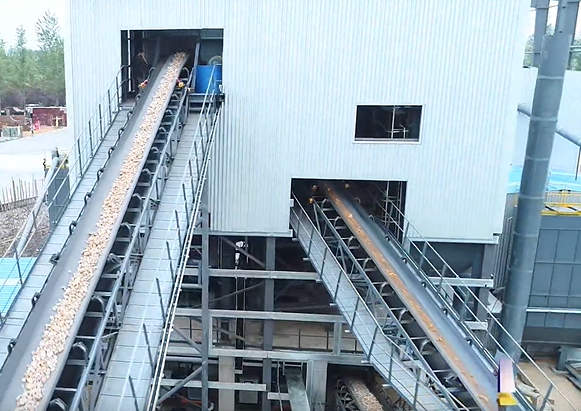
A reversible impact hammer crusher features a unique rotor design that allows bidirectional rotation, extending the lifespan of hammers and liners by utilizing both ends. Key components include:
Advantages over conventional crushers:
1. What materials can it process?
Suitable for limestone, gypsum, coal, and brittle minerals. Avoid overly abrasive or sticky materials.
2. How to minimize wear costs?
Regular rotation of hammers and balanced feed distribution prolongs component life.
3. What’s the typical output size range?
Adjustable from 3mm to 50mm, depending on apron settings and rotor speed.
A quarry in Texas replaced its tertiary cone crusher with a reversible impact hammer model, achieving:
For aggregates producers seeking flexibility, efficiency, and cost savings, reversible impact hammer crushers offer a robust solution. Their adaptability to varied feed materials and low operational costs make them indispensable in modern sand and gravel plants. As sustainability gains emphasis, such innovations will continue shaping the future of the industry.

