Optimizing Vibrating Screen Performance for Circular Motion in Aggregate Processing
The aggregate and sand production industry relies heavily on vibrating screens to classify materials efficiently. Among various motion types, circular motion is widely preferred for its balanced performance in handling medium to coarse materials like crushed stone, gravel, and sand.
Vibrating screens are critical in mining and construction to ensure proper sizing and quality of aggregates. Circular motion screens, characterized by a gyratory movement, excel in applications requiring high throughput and consistent stratification. They are commonly used in primary screening, scalping, and final product separation.
1. Drive System: A single eccentric shaft or unbalanced motor generates centrifugal force, creating a circular vibration pattern.
2. Screen Deck: The motion ensures uniform material distribution, reducing blinding and improving efficiency.
3. Amplitude & Frequency: Adjustable parameters to match material characteristics (e.g., higher amplitude for sticky ores).
1. How to adjust circular motion intensity?
Modify counterweight positions or motor RPM to alter amplitude/frequency.
2. Why does material pile up on one side?
Check for uneven feed distribution or misaligned springs.
3. How to reduce wear?
Use polyurethane or rubber screen panels for abrasive materials.
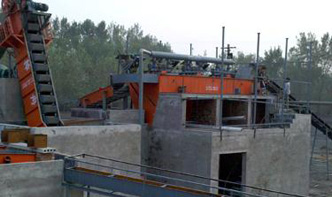
A quarry in Texas upgraded to a circular motion screen, increasing throughput by 20% while reducing energy consumption. Key adjustments included optimizing deck inclination (15°) and using modular screen panels for easier replacement.
Circular motion screens remain a cost-effective solution for aggregate classification. Proper selection and maintenance ensure longevity and peak performance in demanding environments.

