The Importance of Recycling Aggregates in the Modern Construction Industry
The construction industry is increasingly focused on sustainability, driving demand for recycled aggregates as an alternative to materials. Recycled aggregates are produced by crushing and screening demolished concrete, asphalt, and other construction waste. This process not only reduces landfill use but also conserves natural resources, making it a key component of the circular economy.
The Screening Process for Recycled Aggregates
Screening is a critical step in producing high-quality recycled aggregates. The process involves separating crushed materials into different size fractions to meet specific construction requirements. Key stages include:

1. Primary Screening: Removes oversized debris and contaminants before crushing.
2. Secondary Screening: After crushing, materials pass through vibrating screens to classify them into fine, medium, and coarse fractions.
3. Final Quality Control: Advanced sensors or manual inspections ensure compliance with industry standards (e.g., ASTM, EN).
Modern screening equipment, such as trommel screens and multi-deck vibrating screens, improves efficiency and reduces waste. Proper screening ensures the recycled aggregates meet structural requirements for applications like road bases, concrete production, and drainage systems.
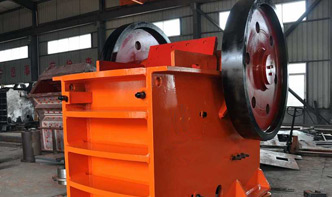
Core Equipment in Recycled Aggregate Production
FAQs on Recycled Aggregates
1. Are recycled aggregates as durable as natural ones?
Yes, when properly processed, they meet industry standards for strength and durability.
2. What contaminants are common in recycled aggregates?
Wood, plastic, and metals are typical; advanced sorting systems minimize their presence.
3. Can recycled aggregates be used in structural concrete?
With proper quality control, they are suitable for non-load-bearing and some load-bearing applications.
Engineering Case Study
A highway project in Germany used 60% recycled aggregates for its sub-base layer, reducing costs by 20% and CO₂ emissions by 1,200 tons. The success relied on precise screening and strict adherence to DIN EN 13242 standards.
Conclusion
Recycled aggregates are a sustainable solution for modern construction. Advances in screening and processing technology ensure their reliability, while industry adoption continues to grow. Companies investing in high-quality crushing and screening equipment will lead this eco-friendly transformation.

