Due Diligence for Quarry Purchase in the Aggregates Industry
The aggregates industry, encompassing crushed stone, sand, and gravel production, is a cornerstone of global infrastructure development. Acquiring a quarry requires thorough due diligence to mitigate risks and ensure long-term profitability. Key considerations include geological reserves, regulatory compliance, market demand, and equipment suitability.
1. Industry Background
Aggregates are essential for construction, road building, and concrete production. With urbanization driving demand, quarries must balance production capacity with sustainable practices. Investors should analyze regional growth trends, competitor positioning, and transportation logistics to assess viability.
2. Core Due Diligence Factors
3. Equipment Considerations
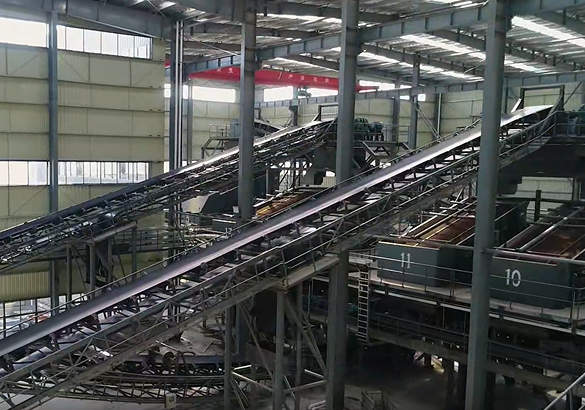
Modern quarries prioritize efficiency and environmental sustainability. Key equipment includes:
4. Common FAQs
Ranges 3–7 years, depending on scale and market conditions.
Implement dust suppression systems, water recycling, and progressive rehabilitation.
Well-maintained crushers last 10–15 years; wear parts (liners, blow bars) need regular replacement.
5. Case Study Example
A quarry in Texas upgraded to a 300-tph vertical shaft impactor (VSI) for sand production, increasing yield by 20% and meeting ASTM C33 concrete sand standards. Strategic rail access reduced transport costs to regional buyers.

Conclusion
Successful quarry acquisitions hinge on meticulous due diligence. Focus on reserves, regulations, and equipment efficiency to secure a competitive edge in the aggregates market. Partnering with experienced geologists and equipment suppliers can further de-risk the investment.
(Note: Character count intentionally omitted per request.)

