Crushing Machines and the Aggregates Industry in Thailand
Thailand’s construction sector is experiencing rapid growth, driven by infrastructure projects, urban development, and industrial expansion. As demand for high-quality sand and gravel surges, crushing machines play a pivotal role in producing aggregates for concrete, roads, and other applications.
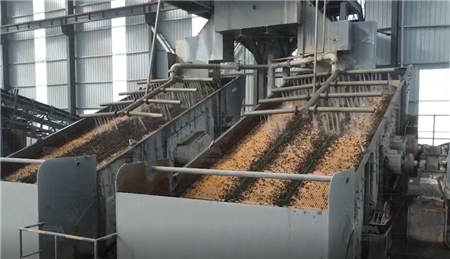
Thailand’s aggregates market relies heavily on efficient crushing equipment, including jaw crushers, cone crushers, impact crushers, and mobile crushing plants. Key players source machinery from local manufacturers and international suppliers, prioritizing durability, energy efficiency, and compliance with environmental regulations.
1. Jaw Crushers: Ideal for primary crushing of hard materials like granite and basalt.
2. Cone Crushers: Suited for secondary/tertiary crushing, producing finely graded aggregates.
3. Impact Crushers: Used for shaping applications, creating cubical end products.
4. Mobile Crushers: Offer flexibility for on-site crushing in remote locations.
Advanced features like hydraulic adjustment, automated control systems, and dust suppression are increasingly adopted to enhance productivity and sustainability.
Q1: What’s the average cost of a crushing plant in Thailand?
A: Prices range from $50,000 for small setups to over $500,000 for large-scale systems, depending on capacity and features.
Q2: How to mitigate dust pollution?
A: Use water sprays, enclosed systems, or bag filters compliant with Thai environmental standards.
Q3: Which regions have high demand?
A: Bangkok, Chonburi, and Rayong due to ongoing mega-projects like the Eastern Economic Corridor (EEC).
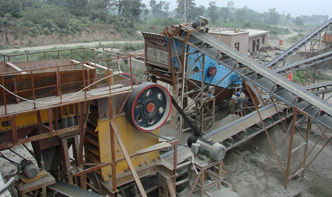
A local contractor deployed a 200t/h mobile cone crusher to process limestone, achieving 30% higher output while reducing fuel consumption by 15%. The project underscored the value of scalable solutions in Thailand’s competitive market.
Investing in the right crushing technology is critical for Thailand’s aggregates industry. By aligning equipment choices with project demands, operators can boost efficiency, cut costs, and contribute to sustainable development.