Optimizing Stone Crushing Plant Layout: A Focus on Hammer Crusher (Palu) Applications
The aggregates and sand production industry is a cornerstone of global infrastructure development, demanding efficient crushing solutions. Among key equipment, hammer crushers (referred to as palu in some regions) play a pivotal role in primary and secondary crushing stages, particularly for medium-hard to soft materials like limestone and coal. This article explores plant layout optimization, hammer crusher integration, and practical considerations for maximizing productivity.
With rising urbanization, demand for high-quality aggregates has surged. Efficient plant design minimizes operational costs while ensuring consistent output. A well-planned layout balances material flow, equipment proximity, and safety compliance. Hammer crushers excel here due to their compact design, high reduction ratios, and adaptability to varying feed sizes.
1. Feed System: A controlled feed (e.g., vibrating feeder) prevents hammer crusher overload, reducing wear.
2. Crushing Zone: Position the hammer crusher close to the primary crusher to minimize conveyor lengths and dust generation.
3. Screening Integration: Closed-circuit systems with screens improve particle size control.
4. Dust & Noise Mitigation: Enclosures and water sprays near the hammer unit address environmental regulations.
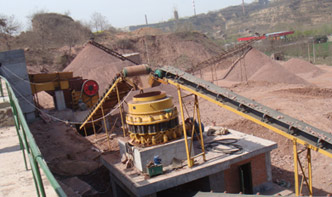
Q1: How to reduce hammer wear?
A: Rotate hammers periodically, ensure proper feed size (<90% of crusher inlet), and avoid metallic contaminants.
Q2: Can hammer crushers replace cone crushers?
A: Only for soft-to-medium materials; cone crushers are superior for hard rocks (e.g., granite).
Q3: Ideal plant layout for small spaces?
A: Vertical arrangement (e.g., hammer crusher beneath primary crusher) saves footprint.
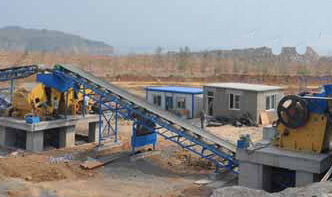
A 200-TPH plant integrated a hammer crusher after a jaw crusher, achieving a 20% reduction in energy use versus an impact crusher setup. Strategic placement reduced conveyor bottlenecks, boosting uptime to 85%.
Hammer crushers offer a balance of efficiency and simplicity in stone crushing plants. Proper layout planning—prioritizing material flow, maintenance access, and environmental controls—ensures sustainable operations. For projects with space or budget constraints, they remain a compelling choice.
(Note: For abrasive materials, consider hybrid systems combining hammer and vertical shaft impactors for finer shaping.)

