Iron Ore Beneficiation: Methods, Equipment, and Industry Applications
Iron ore beneficiation is a critical process in the mining industry, aimed at improving the quality of iron ore by removing impurities and increasing its iron content. With growing demand for high-grade iron ore in steel production, efficient beneficiation techniques have become indispensable.
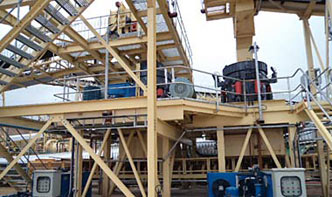
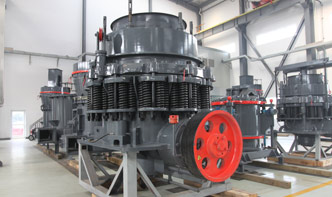
1. Crushing & Screening: Primary crushing reduces large ore pieces, followed by screening to classify particles by size. Jaw crushers, cone crushers, and vibrating screens are commonly used.
2. Gravity Separation: Utilizes density differences to separate hematite or magnetite from gangue minerals. Equipment includes jiggers, spirals, and shaking tables.
3. Magnetic Separation: Effective for magnetite ores, using low- or high-intensity magnetic separators to extract iron-bearing minerals.
4. Flotation: Chemical reagents help separate iron oxides from silica or phosphorus. Reverse flotation is widely adopted for fine ore processing.
5. Washing & Scrubbing: Removes clay and loose impurities through trommel scrubbers or log washers.
Q: What’s the difference between hematite and magnetite beneficiation?
A: Magnetite responds well to magnetic separation, while hematite often requires gravity or flotation methods.
Q: How does particle size affect beneficiation?
A: Finer particles improve liberation but may require advanced techniques like flotation or fine screening.
Q: Can low-grade ores be economically processed?
A: Yes, with advanced technologies like high-intensity magnetic separators or froth flotation, even sub-30% Fe ores can be upgraded.
By integrating the right methods and equipment, iron ore beneficiation enhances resource utilization and supports sustainable mining practices.

