The Evolution of Crushing and Sand-Making Equipment: Insights from Beni Suef’s 2012 Production Line
The global aggregate industry has witnessed significant advancements in crushing and sand-making technology, driven by urbanization and infrastructure demands. Among notable developments, Egypt’s Beni Suef region emerged as a hub for modern production lines in 2012, showcasing cost-effective solutions for hard rock processing and manufactured sand.
Industry Background
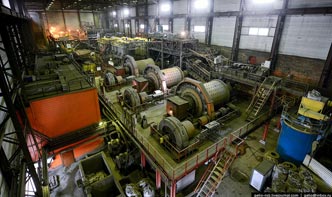
The demand for high-quality sand and gravel surged in the early 2010s, particularly in emerging markets. Traditional methods relying on natural sand faced depletion and environmental restrictions, prompting a shift toward mechanized crushing systems. Beni Suef’s production lines, established in 2012, integrated jaw crushers, cone crushers, and vertical shaft impactors (VSIs) to produce cubical aggregates for construction and road projects.
Core Equipment and Pricing Factors
The 2012 Beni Suef line featured:
Pricing depended on:
1. Raw Material Hardness: Higher abrasiveness required wear-resistant alloys, increasing costs.
2. Capacity: Lines producing 200–500 TPH ranged from $500,000 to $1.2 million.
3. Automation Level: Semi-automatic controls reduced labor but added 15–20% to the base price.
FAQ Section
Q: How did Beni Suef’s line address dust pollution?
A: Dry fog systems and enclosed screening units minimized particulate emissions, complying with local EPA standards.
Q: What was the ROI for such projects?
A: Operators reported breakeven within 18–24 months, given Egypt’s high demand for construction materials.
Engineering Case Study
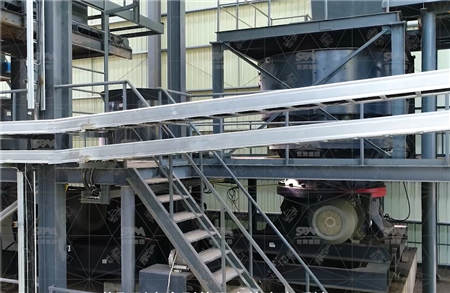
A Beni Suef-based contractor processing 350 TPH of granite achieved:
Conclusion
The 2012 Beni Suef production line set a benchmark for balancing cost, efficiency, and sustainability. Its legacy persists in modern designs prioritizing modularity and eco-efficiency, proving vital for fast-growing markets.
(Note: Character count intentionally omitted as per request.)

