The Quarry Industry and Weather-Resistant Stone Veneer Solutions
The quarry and aggregate industry plays a pivotal role in construction, providing essential materials like crushed stone, sand, and gravel. One of the key products derived from quarries is stone veneer, a lightweight, durable cladding material used for architectural finishes. Among its variants, weather strip stone veneer stands out for its enhanced resistance to harsh environmental conditions, making it ideal for exterior applications.
Weather strip stone veneer is manufactured using natural stone fragments or engineered aggregates bonded with high-performance adhesives. Its design prioritizes:
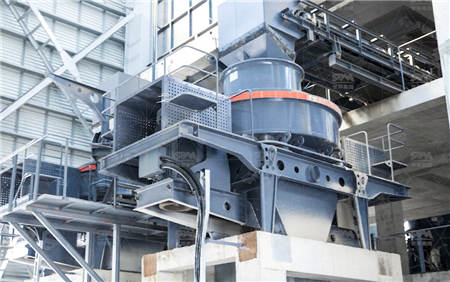
1. Raw Material Sourcing: High-quality quarry stone is crushed and screened to precise gradations.
2. Binding & Molding: Aggregates are mixed with polymers or cement, then pressed into molds.
3. Curing & Sealing: The veneer undergoes controlled drying and sealing to enhance durability.
Q: How does weather strip veneer compare to natural stone?
A: It offers similar aesthetics with better weight efficiency and weatherproofing, though natural stone may have higher longevity in some climates.
Q: Can it be used in freeze-thaw cycles?
A: Yes, properly sealed veneer resists cracking in cyclic freezing conditions.
Q: What’s the typical lifespan?
A: 20–30 years with minimal maintenance, depending on exposure and sealant reapplication.
A coastal resort in Florida opted for weather strip stone veneer to combat saltwater corrosion and hurricane-force winds. Over 5 years, the cladding showed no erosion or color fading, validating its performance in extreme climates.
As quarries evolve to meet sustainable demands, weather strip stone veneer exemplifies innovation—merging functionality, aesthetics, and resilience. For projects prioritizing longevity and low upkeep, it’s a compelling alternative to traditional masonry.

