The Evolving Landscape of Sand and Aggregate Processing: Key Equipment and Industry Insights
The global sand and aggregate industry is a cornerstone of construction, driven by urbanization and infrastructure development. With natural sand reserves depleting, manufactured sand (M-Sand) produced by crushing rocks has become a sustainable alternative. Central to this process are crushing and sand-making equipment, designed to transform raw materials into high-quality aggregates for concrete, asphalt, and road bases.
Core Equipment in Aggregate Production
1. Jaw Crushers: Primary crushers that reduce large rocks into smaller fragments. Ideal for hard materials like granite and basalt.
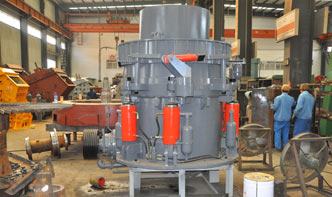
2. Cone Crushers: Secondary crushers offering finer crushing for mid-hard to hard rocks, ensuring uniform particle size.
3. Impact Crushers: Versatile machines for soft to medium-hard materials, often used in limestone recycling.
4. Vertical Shaft Impactors (VSI): Critical for shaping M-Sand, producing cubical particles with low flakiness for superior concrete strength.
5. Vibrating Screens and Log Washers: Ensure proper grading and remove impurities, meeting ASTM/CEN standards.
Industry Challenges & Solutions
FAQ Section
Q: What is the difference between natural and manufactured sand?
A: M-Sand has angular particles, enhancing concrete bonding, while natural sand is rounded and may contain impurities.
Q: How to choose between a cone crusher and an impact crusher?
A: Cone crushers suit harder materials and require less maintenance; impact crushers offer better shape for softer rocks but wear faster.
Engineering Case Study
A quarry in Texas replaced its aging jaw crusher with a hybrid VSI + cone crusher setup, increasing output by 30% while reducing energy use by 15%. The plant now produces ASTM C33-compliant sand for local highway projects.
Future Trends
As demand for high-quality aggregates grows, investing in advanced crushing technology and sustainable practices will define success in this competitive sector.

