Gravity Separation Process in Sand and Aggregate Production: Hydraulic Washing
The sand and aggregate industry plays a critical role in construction, providing essential materials for concrete, road building, and infrastructure projects. Among the various beneficiation techniques, gravity separation—particularly hydraulic washing—is widely used to upgrade raw materials by removing impurities and improving product quality.
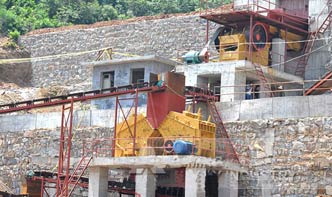
Natural sand and crushed stone often contain undesirable components like clay, silt, or lightweight minerals. Traditional washing methods rely on gravity separation to exploit differences in particle density. Hydraulic washing, a cost-effective and environmentally friendly solution, is commonly applied in sand processing plants to achieve higher purity and meet industry standards.
Hydraulic washing (also called hydraulic classification) uses water flow to separate materials based on their settling velocities. Key components include:
This process efficiently removes low-density contaminants (e.g., lignite, mica) while preserving high-value silica or limestone aggregates.
Q: How does hydraulic washing compare to dry screening?
A: Wet processing is superior for sticky or fine materials but consumes more water. Dry methods suit arid regions but may yield lower purity.
Q: What are the environmental concerns?
A: Water recycling and sludge management are critical. Modern plants use closed-loop systems to minimize discharge.
A quarry in Texas upgraded its sand output by replacing manual washing with a hydraulic classifier and cyclone system. The result:
Hydraulic washing remains a cornerstone of gravity separation in aggregate processing. By optimizing equipment and water management, producers can balance efficiency, cost, and sustainability—key factors in today’s competitive market.
For tailored solutions, consult with engineering experts to assess ore characteristics and plant capacity.

