Gravel Pack Sand Manufacturers and the Aggregate Industry
The global construction and oilfield industries rely heavily on high-quality gravel pack sand and crushed aggregates. Gravel pack sand, a specialized product used in well completion and sand control, demands precise particle size distribution, high sphericity, and low fines content. Meanwhile, the broader aggregate industry supplies sand, gravel, and crushed stone for infrastructure, concrete, and asphalt production.
The demand for gravel pack sand and construction aggregates is driven by urbanization, oilfield operations, and infrastructure development. Manufacturers must adhere to strict standards (e.g., API/ISO for oilfield sand or ASTM for construction aggregates) to ensure product consistency. Key producing regions include the U.S. (notably Texas and Wisconsin for frac sand), the Middle East, and Asia-Pacific, where sand quality and logistics influence market dynamics.
1. Gravel Pack Sand
– Specifications: Typically 20/40 or 40/70 mesh, high crush resistance (≥4,000 psi), and acid solubility <2%.
– Processing: Mined from high-purity silica deposits, washed, dried, and screened to remove impurities.
2. Crushed Aggregates
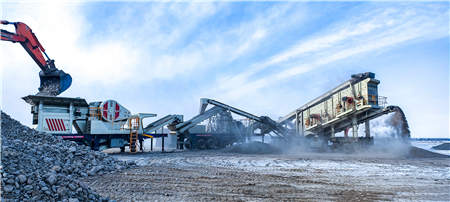
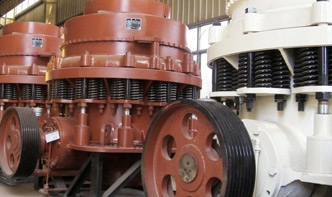
– Production: Jaw crushers, cone crushers, and vertical shaft impactors (VSIs) break down quarry rock into graded sizes (e.g., 0-5mm for fine sand, 5-20mm for concrete).
– Quality Control: Advanced screening and washing systems ensure low clay content and optimal gradation.
Leading gravel pack sand and aggregate producers include:
Q: What distinguishes gravel pack sand from regular construction sand?
A: Gravel pack sand requires uniform particle shape, high silica content (>99%), and minimal fines to prevent clogging in wells, whereas construction sand prioritizes gradation and strength for concrete.
Q: How is crushed aggregate tested for quality?
A: Sieve analysis, Los Angeles abrasion test (for hardness), and methylene blue test (for clay content) are common methods.
A U.S. oilfield operator faced sand production issues in a high-pressure well. By switching to 40/70 ceramic-coated gravel pack sand (crush resistance: 6,000 psi), sand ingress was reduced by 90%, extending well life by 18 months.
Gravel pack sand and aggregate manufacturers play a critical role in energy and construction sectors. Innovations in processing (e.g., dry vs. wet screening) and sustainability (recycled aggregates) will shape the industry’s future. Selecting the right supplier requires evaluating technical specs, logistics, and compliance with regional standards.

