The Evolution of Crushing and Sand-Making Equipment in the Aggregates Industry
The aggregates industry is a cornerstone of modern infrastructure, providing essential materials like sand, gravel, and crushed stone for construction, roads, and concrete production. In the U.S., the demand for high-quality aggregates has driven advancements in crushing and sand-making equipment, enabling efficient processing of raw materials into usable products.
Industry Background
With urbanization and infrastructure projects on the rise, the need for durable and consistent aggregates has grown. Natural sand reserves are depleting, making manufactured sand (M-Sand) a sustainable alternative. Crushing and sand-making equipment, such as jaw crushers, cone crushers, and vertical shaft impactors (VSIs), play a pivotal role in transforming raw rock into precisely graded aggregates.
Core Equipment and Technologies
1. Jaw Crushers: Ideal for primary crushing, these machines reduce large rocks into smaller, manageable sizes.
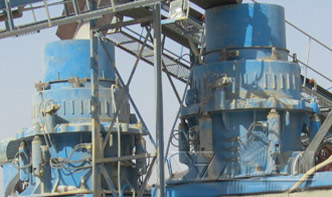
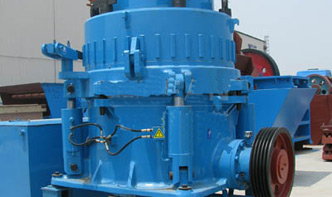
2. Cone Crushers: Used for secondary and tertiary crushing, they produce finely crushed materials suitable for high-quality aggregates.
3. Vertical Shaft Impactors (VSIs): Critical for sand-making, VSIs crush rocks into cubical-shaped particles, mimicking natural sand.
4. Screening and Washing Systems: Ensure the final product meets size and cleanliness standards, removing impurities and improving quality.
Key Advantages
Common FAQs
1. What is the difference between natural and manufactured sand?
M-Sand is produced by crushing rocks, offering better consistency and fewer impurities compared to natural sand.
2. How do I choose the right crusher for my project?
Consider material hardness, required output size, and production capacity. Consulting an expert is recommended.
3. Can crushing equipment handle recycled materials?
Yes, many systems process recycled concrete and asphalt, supporting circular economy initiatives.
Engineering Case Study
A quarry in Texas upgraded to a VSI-based sand-making plant, increasing sand production by 30% while reducing waste. The system’s ability to control particle shape and gradation ensured compliance with local construction standards.
As technology advances, the aggregates industry continues to innovate, delivering smarter, greener solutions for global infrastructure needs. Investing in the right equipment ensures long-term productivity and environmental responsibility.

