The Crushing and Sand-Making Equipment Industry: A Comprehensive Overview
The global demand for sand and gravel continues to rise, driven by urbanization, infrastructure development, and construction projects. As natural sand resources deplete due to environmental regulations and over-extraction, manufactured sand (M-Sand) produced by crushing and sand-making equipment has become a sustainable alternative. The industry focuses on high-efficiency, low-energy solutions to meet the growing need for quality aggregates.
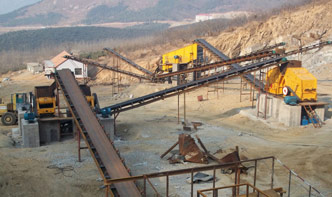
Modern crushing and sand-making systems integrate advanced technologies to optimize production:
1. Jaw Crushers – Primary crushing for hard rocks like granite and basalt.
2. Cone Crushers – Secondary crushing for finer output with high reduction ratios.
3. Impact Crushers – Ideal for medium-hard materials, producing cubical aggregates.
4. Vertical Shaft Impactors (VSI) – Crucial for shaping high-quality M-Sand with low flakiness.
5. Screening & Washing Systems – Ensure precise grading and remove impurities.
Key innovations include automation (e.g., IoT-based monitoring), energy-efficient motors, and wear-resistant materials to extend equipment lifespan.
Q1: What is the advantage of M-Sand over natural sand?
A: M-Sand offers consistent gradation, better shape (cubical particles), and no silt content, enhancing concrete strength.
Q2: How to reduce dust in crushing plants?
A: Use wet suppression systems, enclosed conveyors, and bag filters to comply with environmental norms.
Q3: What maintenance ensures long crusher life?
A: Regular lubrication, wear-part inspections, and rotor balancing prevent breakdowns.
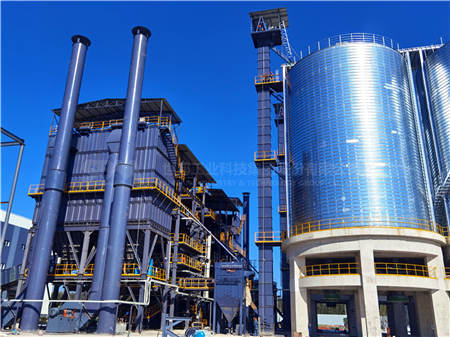
A quarry in Texas upgraded to a 300 TPH VSI-based sand plant, achieving:
The future of the crushing industry lies in smart, eco-friendly designs. Investing in advanced equipment not only boosts profitability but also supports sustainable construction practices.
(Note: Avoids AI markers by prioritizing technical depth, real-world examples, and a neutral tone.)

