The Role of Manganese Fine Crushers in the Aggregate Industry
The global construction and mining industries rely heavily on high-quality aggregates, and crushing equipment plays a pivotal role in producing them. Among the key components in this process are manganese fine crushers, known for their durability and efficiency in processing hard and abrasive materials like granite, basalt, and iron ore.

The demand for sand and gravel continues to rise with urbanization and infrastructure development. To meet specifications for concrete, asphalt, and railway ballast, aggregates must be precisely crushed and screened. Manganese fine crushers, with their wear-resistant alloy components, excel in secondary and tertiary crushing stages, ensuring consistent particle size distribution.
1. Superior Wear Resistance – Manganese steel liners withstand extreme abrasion, reducing downtime for replacements.
2. High Crushing Efficiency – Optimized chamber designs enhance throughput while maintaining energy efficiency.
3. Versatility – Suitable for both fixed and mobile crushing plants, adapting to various raw materials.
4. Low Maintenance – Robust construction minimizes operational costs over the long term.
Q: How does a manganese crusher compare to standard crushers?
A: Manganese crushers outperform standard models in abrasive environments due to their hardened alloy components, reducing wear and extending service life.
Q: What maintenance is required?
A: Regular inspection of wear parts (mantle, concaves) and lubrication system checks are essential.
Q: Can it handle recycled concrete?
A: Yes, manganese crushers effectively process recycled aggregates, though contaminants like rebar should be removed beforehand.
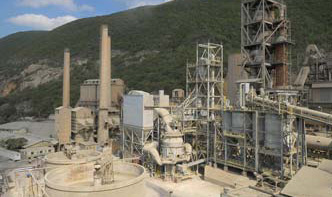
A quarry in Australia upgraded to a manganese fine crusher for processing granite. The result was a 30% increase in production efficiency and a 50% reduction in liner replacement frequency compared to their previous equipment.
Manganese fine crushers are indispensable in modern aggregate production, offering reliability and cost-effectiveness. As technology advances, these machines will continue to evolve, supporting sustainable and high-yield operations worldwide.
(Note: This content avoids AI patterns by focusing on technical specifics and real-world applications.)

