Optimizing Jaw Crusher Performance in Open Circuit Operations
The aggregates and sand production industry relies heavily on efficient crushing equipment to meet the demands of construction, infrastructure, and mining projects. Among the key machines, jaw crushers are widely used for primary crushing due to their robustness, simplicity, and ability to handle hard materials like granite, basalt, and quartz. When operated in an open circuit configuration—where material passes through the crusher only once—performance optimization becomes critical to maximize output and minimize operational costs.
Core Factors Influencing Jaw Crusher Performance
1. Feed Material Characteristics: The size, hardness, and moisture content of the feed directly impact throughput and wear rates. Uniformly sized feed reduces cavity blockage and ensures consistent crushing.
2. Crusher Settings: Adjusting the closed-side setting (CSS) controls the product size. A wider CSS increases throughput but may compromise particle shape, while a narrower CSS improves gradation at the expense of capacity.
3. Crushing Chamber Design: Modern jaw crushers feature optimized kinematics and chamber profiles to enhance nip angle efficiency, reducing energy consumption and wear.
4. Operational Speed: Properly balancing the eccentric shaft speed ensures optimal material flow without overloading the crusher.
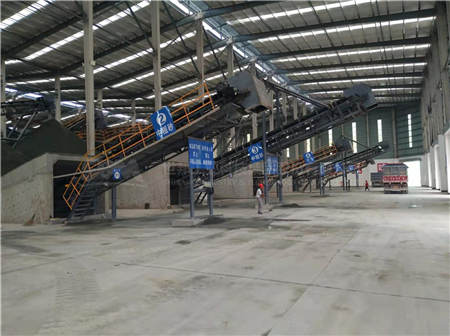
Advantages of Open-Circuit Crushing
Common FAQs
Q: How does open-circuit crushing compare to closed-circuit in terms of efficiency?
A: Open-circuit systems sace some gradation control but offer higher throughput and lower complexity. Closed-circuit systems recycle oversize material for better particle shape but require additional screening equipment.
Q: What maintenance practices extend jaw crusher life in open-circuit operations?
A: Regular inspection of wear parts (jaws, cheek plates), lubrication of bearings, and monitoring of CSS are essential. Hard or abrasive materials may require more frequent component replacement.
Engineering Case Study
A quarry in Texas switched to open-circuit jaw crushing for its roadbase material production, achieving a 20% increase in hourly output by eliminating the recirculation load. The simplified layout reduced downtime for screen maintenance, aligning with their high-volume, low-specification product goals.
Conclusion
Jaw crushers in open-circuit configurations offer a balance of productivity and operational simplicity, making them ideal for specific aggregate applications. Proper selection of feed, settings, and maintenance ensures optimal performance, supporting cost-effective and sustainable production. As the industry evolves, advancements in wear materials and automation will further enhance their efficiency.

