The Sand and Gravel Production Process: Key Equipment and Industry Insights
The sand and gravel industry is a cornerstone of construction, providing essential materials for infrastructure, concrete, and road building. With urbanization and infrastructure development driving demand, efficient production processes are critical. This article explores the core equipment, workflows, and FAQs in sand and gravel production.
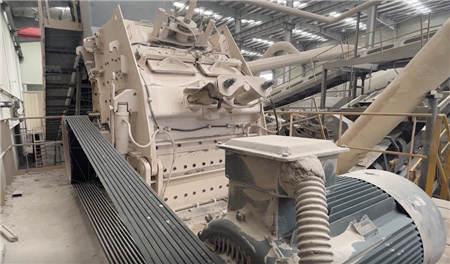
Sand and gravel are among the most extracted natural resources globally. They are primarily sourced from quarries, riverbeds, or manufactured through crushing rocks like limestone, granite, or basalt. The rise in sustainable construction practices has also increased the use of recycled concrete as a raw material.
1. Raw Material Extraction:
– Mined from pits or dredged from riverbeds.
– Recycled materials (e.g., demolished concrete) are increasingly used.
2. Crushing:
– Primary crushers (jaw crushers) break large rocks into smaller pieces.
– Secondary crushers (cone or impact crushers) further reduce size.
3. Screening:
– Vibrating screens separate particles by size for grading.
4. Washing & Dewatering:
– Removes impurities (clay, dust) using sand washers or hydrocyclones.
5. Final Product Storage:
– Stockpiled or loaded for transport to construction sites.
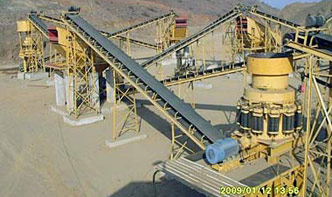
1. What’s the difference between natural and manufactured sand?
Natural sand is sourced from rivers or beaches, while manufactured sand is produced by crushing rocks—often offering better consistency for concrete.
2. How to reduce dust in production?
Use water sprays, dust suppression systems, or enclosed conveyors.
3. What’s the typical output size range?
Coarse aggregates: 5–20mm; fine aggregates (sand): 0–5mm.
A quarry in Texas upgraded to a VSI crusher system, increasing sand yield by 30% while reducing waste. The new setup also improved particle shape for better concrete strength.
Efficient sand and gravel production relies on optimized crushing, screening, and washing processes. With advancements in equipment technology and sustainability practices, the industry continues to meet growing global demand while minimizing environmental impact.

