The Evolution of Crushing and Grinding Equipment in the Aggregate Industry
The global construction boom has fueled relentless demand for high-quality sand and aggregate materials. As infrastructure projects expand, the need for efficient crushing and grinding equipment—such as hand grinding mills like those offered by Brite—has become critical. These machines play a pivotal role in producing uniformly sized particles essential for concrete, asphalt, and road base applications.
Core Features of Modern Grinding Mills
Hand grinding mills, though smaller in scale compared to industrial crushers, are valued for their portability and precision in small-batch processing. Brite’s models emphasize:
Such equipment is particularly useful in recycling construction waste or processing abrasive minerals like quartz and granite.
Industry Challenges and Solutions
1. Material Variability: Differences in rock hardness require adaptable crushing mechanisms. Jaw crushers and cone crushers dominate large-scale operations, while hand mills suit niche applications.
2. Dust Control: Dry grinding generates airborne particles; integrated water spray systems or enclosures mitigate health risks.
3. Maintenance Costs: Regular lubrication and part inspections extend equipment lifespan—critical for cost-sensitive projects.
FAQs on Grinding Mills
A: Most manual mills handle dry materials better; moisture may cause clogging unless designed otherwise.
A: Varies by model; Brite’s units average 50–100 kg/hour depending on material hardness.
Case Study: Recycling Concrete Debris
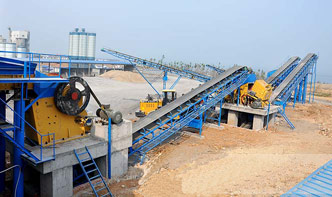
A contractor in Southeast Asia used Brite’s hand mill to repurpose demolished concrete into road sub-base material. The manual operation allowed precise sizing (5–10 mm) without electricity, cutting costs by 30% versus traditional crushing plants.
As sustainability gains traction, compact grinding solutions bridge gaps where large machinery is impractical—proving that innovation isn’t solely about scale but also adaptability.

