The Essential Role of Crushing Stone Factories in Modern Construction
The global construction industry relies heavily on crushed stone and sand as fundamental raw materials for infrastructure projects, from roads and bridges to buildings and dams. Crushing stone factories, equipped with advanced machinery, play a pivotal role in transforming raw rock into high-quality aggregates of varying sizes to meet diverse engineering demands.
With urbanization accelerating worldwide, the demand for construction aggregates has surged. Crushed stone and manufactured sand (M-sand) are increasingly replacing natural sand due to environmental concerns and dwindling natural resources. Modern crushing plants leverage cutting-edge technology to ensure efficiency, sustainability, and compliance with stringent quality standards.
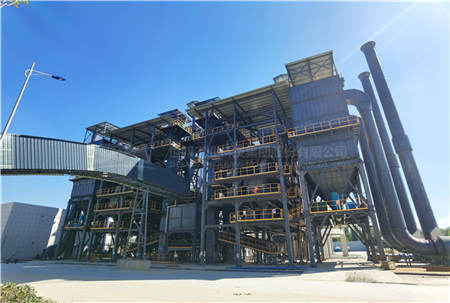
1. Jaw Crushers: Primary crushers that break large rocks into manageable chunks.
2. Cone Crushers: Secondary crushers refine material further, producing uniformly sized particles ideal for concrete mixes.
3. Impact Crushers: Versatile machines capable of shaping aggregates while crushing, often used for softer rocks.
4. VSI Crushers (Vertical Shaft Impactors): Critical for producing high-quality M-sand with optimal particle shape and gradation.
5. Screening & Washing Systems: Ensure impurities are removed, and final products meet specifications.
Automation and IoT integration have revolutionized these factories, enabling remote monitoring, predictive maintenance, and energy-efficient operations.
1. What is the difference between natural sand and M-sand?
M-sand is manufactured by crushing rocks, offering better consistency and fewer impurities compared to river sand.
2. How do crushing plants minimize environmental impact?
Dust suppression systems, water recycling, and noise reduction technologies are standard practices today.
3. What determines the choice of crusher?
Factors include rock hardness, required output size, production capacity, and project specifications.
4. Can recycled concrete be processed in crushing plants?
Yes—modern plants often incorporate recycling systems to repurpose demolition waste into usable aggregates.
A recent highway expansion in Southeast Asia utilized a mobile crushing plant to process basalt on-site, reducing transportation costs by 30%. The plant produced 500 tons/hour of graded aggregates tailored for asphalt mixes, demonstrating the efficiency of decentralized crushing solutions in large-scale projects.
Crushing stone factories are indispensable to sustainable construction practices today—delivering cost-effective materials while mitigating environmental strain through innovation-driven processes.As technology evolves,the industry will continue optimizing resource utilization without compromising quality or productivity demands globally

