Crushing and Sand-Making Equipment: The Backbone of Modern Aggregate Industry
The global construction boom has fueled unprecedented demand for high-quality sand and aggregate materials. As urbanization accelerates, the crushing and sand-making equipment sector plays a pivotal role in transforming raw stone into usable construction-grade products.
Aggregates form the foundation of infrastructure projects, from roads to high-rises. Natural sand depletion and environmental regulations have shifted focus to manufactured sand (M-Sand), produced by crushing granite, basalt, or limestone using advanced machinery. Key equipment includes:
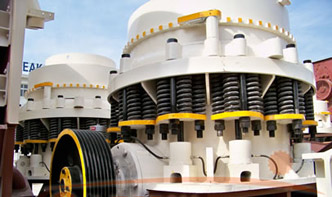
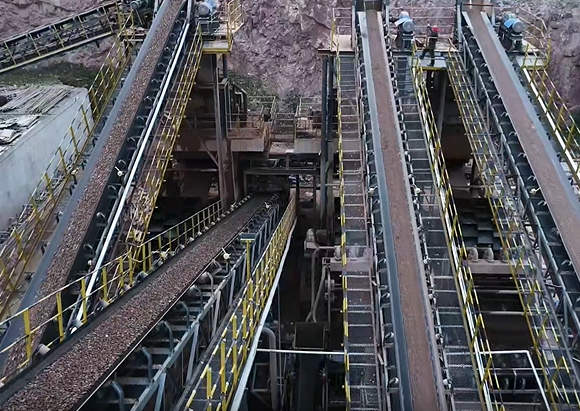
Modern plants prioritize energy efficiency, automation (e.g., IoT-enabled monitoring), and dust suppression systems to meet sustainability standards. Wet processing vs. dry processing debates persist, with hybrid models gaining traction in water-scarce regions like South Africa or Australia.
1. What’s the lifespan of a typical crusher?
Well-maintained equipment lasts 10–15 years; wear parts (liners, blow bars) require regular replacement.
2. How to choose between fixed and mobile plants?
Fixed plants suit large-scale quarries; mobile units excel in short-term or dispersed projects.
3. Environmental compliance?
Dust collectors, noise enclosures, and water recycling systems are mandatory in most jurisdictions.
A quarry near Hanoi deployed a 200tph VSI-based plant to produce ASTM-compliant M-Sand for concrete. By replacing river sand, the operation reduced ecological disruption while cutting material costs by 30%.
Investing in robust crushing/sand-making systems ensures long-term profitability amid rising aggregate demands. Customized solutions—balancing output gradation, operational costs, and regulatory hurdles—are critical for success in this competitive sector.

