The Burnt River Mining Permits and Their Impact on the Aggregate Industry in Oregon
The mining and aggregate industry plays a critical role in Oregon’s economy, supplying essential materials for construction, infrastructure, and landscaping. The Burnt River area, known for its rich mineral deposits, has become a focal point for mining permits, particularly for operations involving crushing and screening equipment to produce high-quality sand and gravel aggregates.
Oregon’s construction sector relies heavily on locally sourced aggregates to reduce transportation costs and environmental impact. The Burnt River region offers abundant reserves of basalt, sandstone, and other hard rocks suitable for producing durable construction materials. With proper permitting—such as those managed by the Oregon Department of Geology and Mineral Industries (DOGAMI)—mining operations can sustainably extract these resources while complying with environmental regulations.
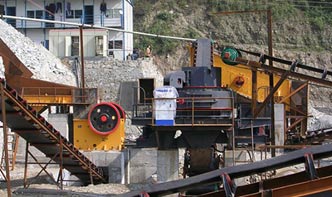
To meet demand efficiently, modern mining operations utilize advanced crushing and screening machinery. Key equipment includes:
These machines ensure high productivity while minimizing waste—a crucial factor given tightening regulatory standards.
1. What permits are required for mining near Burnt River?
Operators need a DOGAMI operating permit, water quality certifications (DEQ), and possibly federal approvals if affecting waterways.
2. How does rock type affect crusher selection?
Harder rocks like basalt require heavy-duty jaw or cone crushers, while softer stone may allow simpler impact crushers.
3. Can recycled concrete be processed here?
Yes—mobile crushers can repurpose demolition waste into usable base materials onsite.
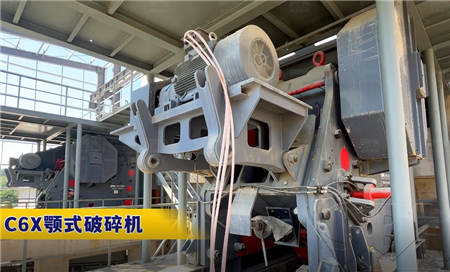
A permitted operation near Unity optimized production by deploying a three-stage crushing circuit (jaw-cone-VSI) paired with automated screens. This setup increased output by 30% while reducing energy consumption through smart load management—showcasing how technology enhances both profitability and compliance.
By leveraging efficient equipment and responsible permitting strategies like those in Burnt River’s jurisdiction,Oregon continues supporting infrastructure growth without compromising ecological balance—a model worth replicating nationwide where feasible conditions exist。

