The Growing Demand for Mining and Crushing Equipment in South Africa
South Africa’s mining and construction sectors are key drivers of economic growth, creating a steady demand for high-quality crushing and sand-making equipment. The country’s abundant mineral resources, including gold, platinum, and diamonds, alongside infrastructure development projects, have fueled imports of advanced mining machinery. Among these, crushing and screening equipment—such as jaw crushers, cone crushers, impact crushers, and sand-making machines—play a pivotal role in producing aggregates for construction and industrial use.
South Africa’s mining industry contributes significantly to GDP, while rapid urbanization necessitates large-scale infrastructure projects. This has increased the need for efficient crushing solutions to process hard rocks (e.g., granite, basalt) and softer materials (e.g., limestone) into high-quality sand and gravel. Imported equipment from global manufacturers is often preferred due to superior technology, durability, and compliance with international standards.
1. Jaw Crushers: Ideal for primary crushing in mining and quarrying.
2. Cone Crushers: Used for secondary/tertiary crushing with high precision.
3. Impact Crushers & Sand Makers: Produce finely shaped aggregates for concrete and asphalt.
4. Mobile Crushing Plants: Offer flexibility for remote or temporary sites.
Key considerations when importing machinery include:
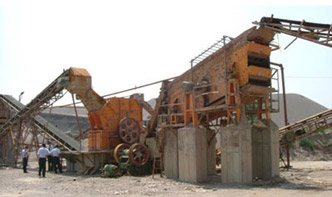
Q1: What are the main challenges when importing crushers to South Africa?
A: Logistics costs, customs duties, and adapting equipment to local conditions (e.g., power supply variations). Partnering with experienced suppliers mitigates these risks.
Q2: How to choose between fixed and mobile crushing plants?
A: Mobile plants suit short-term projects or multiple sites, while fixed setups are cost-effective for large-scale, long-term operations.
Q3: What maintenance is required for crushers?
A: Regular lubrication, wear-part inspections (e.g., liners, blow bars), and monitoring vibration levels ensure longevity.
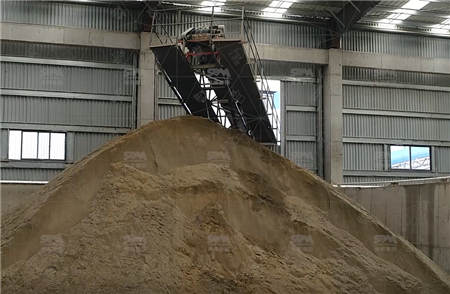
A South African quarry recently imported a 200 t/h cone crusher to replace outdated machinery. The new system improved aggregate quality by 30% while reducing downtime through automated controls—showcasing how modern imports enhance productivity in local operations.
With robust demand in mining and construction, South Africa remains a key market for imported crushing equipment. Investing in reliable technology tailored to local needs ensures sustainable growth for industry players.

