Granite Feeding Equipment and the Aggregate Industry: A Comprehensive Overview
Industry Background
The global demand for high-quality construction materials, particularly sand and gravel, has surged with rapid urbanization and infrastructure development. Granite, as a hard and durable rock, is widely used in producing aggregates for concrete, asphalt, and road bases. Crushing and sand-making equipment plays a pivotal role in transforming raw granite into usable materials, ensuring efficiency, environmental compliance, and cost-effectiveness.
Core Equipment for Granite Processing
1. Jaw Crushers: Primary crushing machines that handle large granite blocks, reducing them to manageable sizes (150–300 mm).
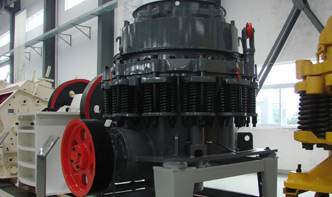
2. Cone Crushers: Secondary crushers for finer crushing (20–50 mm), ideal for high-hardness granite.
3. Vertical Shaft Impactors (VSI): Critical for sand-making, shaping granite particles into cubic, well-graded aggregates.
4. Vibrating Feeders: Ensure steady material flow to crushers, minimizing bottlenecks and wear.
5. Screening Systems: Separate crushed granite into different sizes (e.g., 0–5 mm, 5–10 mm) for specific applications.
Key Considerations for Equipment Selection
FAQ Section
Q1: How to reduce dust in granite crushing?
A: Use water sprays, enclosed conveyors, and dust suppression systems paired with bag filters.
Q2: What’s the typical lifespan of granite crusher parts?
A: Mn-steel jaw plates last 3–6 months; VSI rotors may require replacement every 1,000–2,000 hours under heavy use.
Q3: Can granite aggregates replace river sand?
A: Yes, manufactured sand (M-sand) from granite offers better gradation and strength, though proper washing is essential.
Engineering Case Study
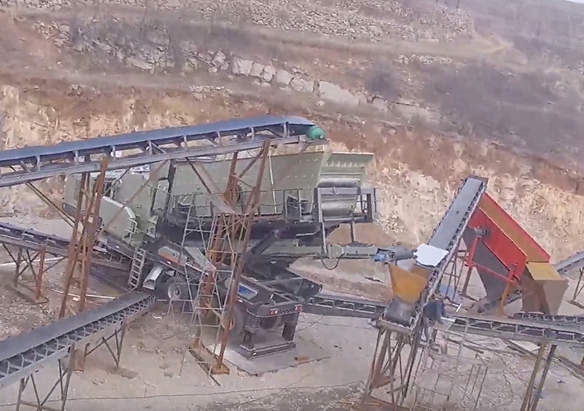
A quarry in Texas upgraded to a 300 TPH granite crushing line, including a primary jaw crusher, hydraulic cone crusher, and VSI. By implementing a closed-circuit water recycling system, they achieved 95% dust control and 20% higher yield compared to traditional methods.
Conclusion
Investing in tailored granite feeding and crushing solutions ensures sustainable, high-output aggregate production. As technology evolves, smart monitoring and eco-friendly designs will further redefine industry standards.

