Crushing Coal: Understanding the Bond Work Index and Its Application in Aggregate Processing
The coal and aggregate industries rely heavily on efficient crushing and grinding operations to optimize productivity and reduce energy consumption. One critical parameter in evaluating the grindability of coal and other minerals is the Bond Work Index (BWI). Developed by Fred Bond in the 1950s, this index measures the resistance of a material to crushing and grinding, providing a quantitative estimate of the energy required for size reduction.
Industry Background
Coal crushing is a fundamental step in coal preparation, power generation, and cement production. The Bond Work Index helps engineers design and select crushers, mills, and grinding circuits tailored to specific coal types. High-BWI coals require more energy to crush, impacting equipment selection and operational costs. Similarly, in the aggregate sector, BWI is used to assess the hardness of rocks like limestone, granite, and basalt, ensuring optimal crusher performance for producing high-quality sand and gravel.
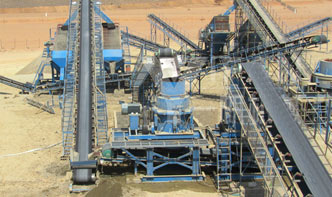
Core Equipment and Technology
Modern crushing systems for coal and aggregates include:
Key Applications of BWI
1. Equipment Sizing: BWI data helps determine the appropriate crusher or mill size.
2. Energy Optimization: Plants use BWI to estimate power requirements, reducing operational costs.
3. Process Design: BWI guides circuit design, such as open vs. closed grinding loops.
FAQ
Q: How is the Bond Work Index tested for coal?
A: A standardized lab test involves dry grinding the coal in a Bond ball mill, measuring the energy needed to achieve a specific particle size.
Q: Can BWI vary for the same coal seam?
A: Yes, factors like moisture content and mineral impurities influence BWI values.
Engineering Case Example
A coal-fired power plant in Australia reduced grinding energy by 15% after BWI analysis revealed over-crushing. Adjusting the mill feed size based on BWI data optimized throughput and cut costs.
Conclusion
Understanding the Bond Work Index is essential for efficient coal and aggregate processing. By leveraging BWI data, industries can enhance equipment selection, minimize energy waste, and improve overall productivity.

