Gravel and Crushed Stone for Driveways in Durban: A Guide to Aggregate Solutions
Durban, with its coastal climate and urban expansion, demands durable and cost-effective materials for driveway construction. Gravel and crushed stone remain top choices due to their drainage properties, affordability, and versatility. The local aggregate industry relies heavily on crushed stone produced from hard rock quarries, often using granite or basalt, which are abundant in KwaZulu-Natal.
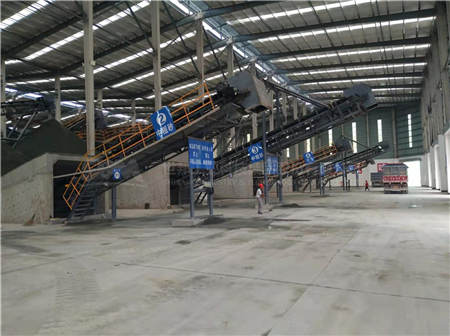
South Africa’s construction sector depends on high-quality aggregates, with Durban’s infrastructure projects driving demand. Crushed stone is processed using jaw crushers, cone crushers, and vertical shaft impactors (VSIs) to produce graded materials. For driveways, 6.7mm or 9.5mm crushed stone (also called “G2” or “G5” sub-base) is common, providing stability under vehicles while allowing water permeability.
1. Material Hardness: Granite and basalt offer superior load-bearing capacity.
2. Gradation: Well-graded mixtures (e.g., 19mm to dust) compact better, reducing potholes.
3. Washed vs. Unwashed: Washed stone minimizes dust but may cost more.
4. Alternative Options: Decomposed granite (DG) or limestone are softer but suitable for light traffic.
Q1: What’s the best gravel size for driveways?
A: For stability, 6.7mm–13.2mm angular crushed stone is ideal. Larger stones (19mm) work for drainage layers.
Q2: How thick should a gravel driveway be?
A: A 100–150mm compacted layer of G5 sub-base, topped with 50mm of finer gravel, ensures longevity.
Q3: Does Durban’s rain affect gravel driveways?
A: Properly graded stone with a geotextile layer prevents washouts.
A residential project in Ballito used a 150mm G5 base topped with 9.5mm crushed granite. The driveway withstood heavy rains and daily use without rutting, thanks to laser-guided compaction during installation.
Selecting the right gravel involves balancing material properties, climate, and traffic needs. Partnering with local quarries ensures consistent quality, while proper installation techniques extend driveway life. For Durban’s conditions, crushed stone remains a pragmatic and sustainable choice.

