Bentonite Primary Crusher for Sale: A Key Solution in Aggregate Processing
The aggregate and sand production industry plays a vital role in construction, mining, and infrastructure development. Bentonite, a highly absorbent clay mineral, is widely used in drilling fluids, foundry sands, and environmental sealing applications. Processing bentonite requires robust crushing equipment to achieve the desired particle size for downstream applications. A bentonite primary crusher serves as the first step in reducing raw bentonite into manageable fragments for further processing.
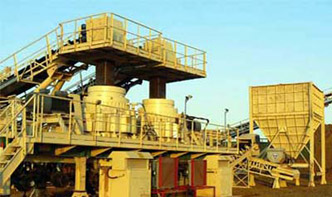
Bentonite deposits are typically extracted via open-pit mining. The raw material varies in moisture content and hardness, demanding a crusher capable of handling sticky or abrasive feed. Primary crushers, such as jaw crushers or gyratory crushers, are commonly employed due to their high capacity and ability to break large chunks efficiently. These machines ensure uniform feed size for secondary crushers or grinding mills, optimizing the entire production line.
1. High Crushing Efficiency – Designed to handle large feed sizes (up to 1,500 mm), primary crushers reduce bentonite to a consistent output (typically 150–300 mm).
2. Wear Resistance – Equipped with manganese steel or alloy jaws to withstand abrasion from clay-rich materials.
3. Adaptability – Adjustable discharge settings allow operators to control product size based on application requirements.
4. Low Maintenance – Robust construction minimizes downtime, critical in continuous mining operations.
Q: What type of primary crusher is best for bentonite?
A: Jaw crushers are preferred for their simplicity and ability to handle moist or sticky feed. Gyratory crushers may be used for high-capacity operations.
Q: How to prevent material clogging in a bentonite crusher?
A: Pre-screening to remove fines, installing vibrating feeders, and choosing crushers with a non-clog design (e.g., large feed openings) help mitigate clogging.
Q: Can the same crusher process other minerals?
A: Yes, primary crushers are versatile and can handle limestone, granite, and iron ore with appropriate adjustments.
A bentonite processing plant in Wyoming, USA, integrated a heavy-duty jaw crusher as the primary stage. The crusher processed 500 tons per hour of raw bentonite, reducing feed size from 1,200 mm to 250 mm before secondary grinding. The system improved throughput by 20% and reduced energy consumption by optimizing particle size distribution.
Investing in a reliable bentonite primary crusher is essential for efficient mineral processing. By selecting the right equipment and maintaining proper operational practices, producers can enhance productivity while minimizing costs. Whether for drilling, construction, or industrial applications, a well-designed crushing system ensures consistent material quality and long-term profitability.

