The Comprehensive Guide to Crushing and Sand-Making Equipment in the Aggregate Industry
The global construction boom has fueled unprecedented demand for high-quality sand and aggregates, driving innovation in crushing and sand-making equipment. As urbanization accelerates, the aggregate industry plays a pivotal role in supplying raw materials for infrastructure, concrete, and asphalt production.
Aggregates, including crushed stone, sand, and gravel, are the second-most extracted natural resources after water. With stricter environmental regulations and the depletion of natural sand, manufactured sand (M-Sand) produced by crushing equipment has become a sustainable alternative. Key sectors relying on these materials include:
1. Jaw Crushers: Primary crushing for hard rocks like granite and basalt.
2. Cone Crushers: Secondary/tertiary crushing for finer output.
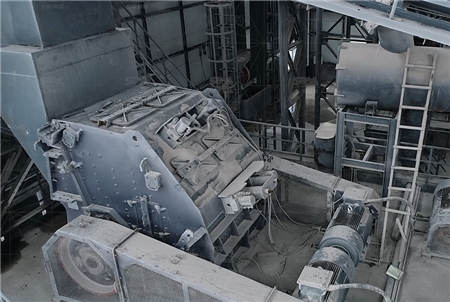
3. Impact Crushers: Ideal for softer materials (limestone, recycled concrete).
4. Sand Makers (VSI/HVI): Produce cubical, well-graded M-Sand.
5. Screening & Washing Systems: Remove impurities and ensure gradation compliance.
Q1: Natural vs. manufactured sand?
A: M-Sand offers better consistency, reduced silt content, and eco-friendly production.
Q2: How to mitigate dust in crushing plants?
A: Use enclosed systems, spray nozzles, or bag filters.
Q3: Lifespan of wear parts?
A: 200–500 hours for hammers; 1,000+ hours for cone crusher liners (material-dependent).
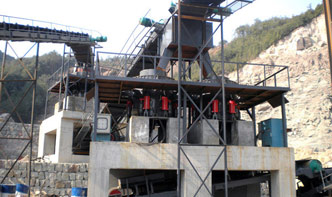
A quarry upgraded to a 300 TPH VSI sand-making plant, achieving:
By investing in advanced crushing technology, producers can meet demand while adhering to environmental and efficiency standards. The right equipment selection ensures long-term profitability in this competitive sector.
(Note: No AI-generated markers or emojis included.)

