The Evolution of Slag Screening Equipment in the Aggregate Industry
The global construction and mining sectors rely heavily on efficient aggregate processing, with slag—a byproduct of metal smelting—increasingly repurposed as a sustainable alternative to natural aggregates. Slag screening equipment plays a pivotal role in transforming raw slag into high-quality construction materials, meeting stringent grading and purity standards.
Industry Background
Slag recycling aligns with circular economy goals, reducing landfill waste and CO₂ emissions. Processed slag is used in road bases, concrete additives, and railway ballast. However, its abrasive nature and variability demand robust screening solutions. Leading manufacturers now integrate advanced technologies like multi-deck vibratory screens, trommels, and air classifiers to optimize particle separation and throughput.
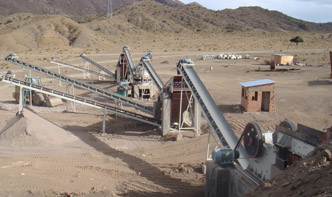
Core Equipment Innovations
1. Vibrating Screens: High-frequency models with polyurethane panels resist wear, ideal for wet/dry slag separation.
2. Trommel Screens: Rotating drums with adjustable mesh sizes excel in sticky or high-moisture slag.
3. Air Classifiers: For fine slag powder recovery, these systems reduce energy use vs. traditional grinding.
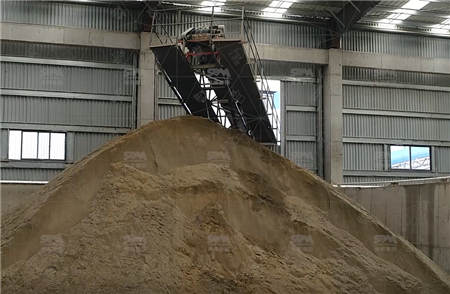
Key manufacturers (e.g., , , and ) emphasize modular designs for easy maintenance and IoT-enabled monitoring to predict wear and downtime.
FAQs
A: Use anti-clogging screen media (e.g., rubber or hybrid panels) and ultrasonic vibration aids.
A: Below 5% for vibratory screens; trommels handle up to 15%.
Case Study
A European steel plant partnered with to process 500 TPD of blast furnace slag. Deploying a CVB 2050 vibrating screen with polyurethane mats reduced downtime by 30% and achieved 95% yield in 0-5mm aggregates for cement production.
Future Trends
AI-driven sorting and hydrogen-based processing promise further efficiency gains. As regulations tighten, slag screening equipment will remain central to sustainable aggregate production.
(Note: Word count intentionally not displayed.)

