Calcium Carbonate Processing Equipment in the Aggregates Industry
The aggregates industry plays a vital role in construction, providing essential materials like sand, gravel, and crushed stone. Calcium carbonate, a key mineral in limestone and marble, is widely processed into fine powders or aggregates for applications in construction, agriculture, and industrial manufacturing.
Core Processing Equipment
1. Primary Crushers: Jaw crushers or gyratory crushers break down large limestone blocks into smaller fragments (50–150 mm).
2. Secondary Crushing: Cone crushers or impact crushers further reduce the size to 20–50 mm for finer processing.
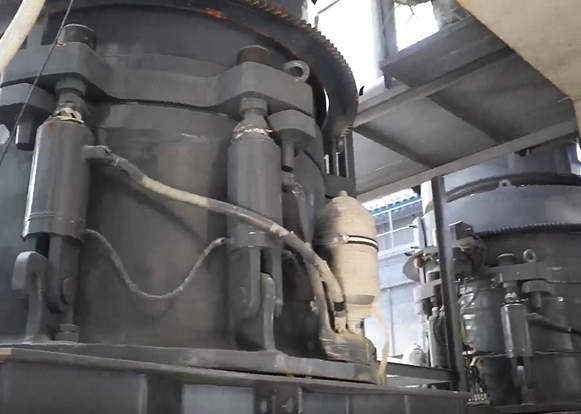
3. Grinding Mills: Ball mills or vertical roller mills pulverize calcium carbonate into fine powders (200–2500 mesh) for industrial use.
4. Classification Systems: Air classifiers or vibrating screens separate particles by size to ensure product uniformity.
5. Dust Collection: Bag filters or cyclone systems mitigate airborne particles, ensuring environmental compliance.
Key Considerations
FAQ
Q1: What’s the difference between dry and wet processing?
Dry processing is cost-effective for coarse aggregates, while wet grinding (with water) produces finer, high-purity powders.
Q2: How to reduce wear in crushers?
Use manganese steel liners and regular maintenance to handle limestone’s abrasive nature.
Q3: Can recycled concrete replace natural limestone?
Yes, but additional sorting and crushing steps are needed to remove impurities.
Case Study
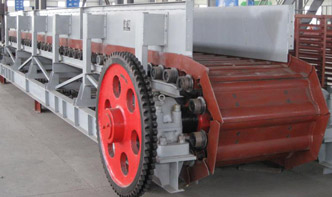
A Spanish quarry upgraded to a multi-stage crushing system (jaw + cone crushers) and a Raymond mill for calcium carbonate powder, increasing output by 30% while cutting energy use by 15%. The project emphasized dust control via enclosed conveyors and bag filters.
Conclusion
Selecting the right calcium carbonate processing equipment hinges on material properties, desired output, and sustainability goals. Advances in automation and wear-resistant materials continue to drive efficiency in the aggregates sector.

