The Evolution of Grinding Stones for Drills in Aggregate Processing
The aggregate and sand production industry relies heavily on efficient crushing and grinding equipment to transform raw materials into high-quality construction aggregates. Among the critical components in this process are grinding stones for drills, which play a pivotal role in secondary crushing, shaping, and polishing of stones for various applications, from concrete production to road construction.
With the global construction sector booming, the demand for processed aggregates has surged. Natural sand shortages and environmental regulations have further driven the adoption of manufactured sand (M-Sand) produced by crushing hard rocks. Grinding stones, often integrated into vertical shaft impactors (VSIs) or specialized drills, are engineered to deliver precise particle size reduction and cubical shaping—key for superior concrete strength and workability.
1. Material Composition: Premium grinding stones are fabricated from high-chrome alloys or tungsten carbide, ensuring durability against abrasive materials like granite, basalt, or quartzite.
2. Design Innovations: Segmented or monolithic designs cater to different crushing stages, optimizing wear resistance and energy efficiency.
3. Automation Compatibility: Advanced models integrate with smart systems for real-time monitoring of wear and performance, reducing downtime.
Q1: How often should grinding stones be replaced?
A: Replacement cycles depend on material hardness and throughput. Typically, high-abrasion applications require inspection every 200–300 operating hours.
Q2: Can grinding stones handle recycled concrete aggregates?
A: Yes, but reinforced concrete with metal debris may accelerate wear. Hardened alloys or hybrid designs are recommended.
Q3: What maintenance extends their lifespan?
A: Regular cleaning to remove packed fines, balancing to avoid uneven wear, and using compatible feed sizes are critical.
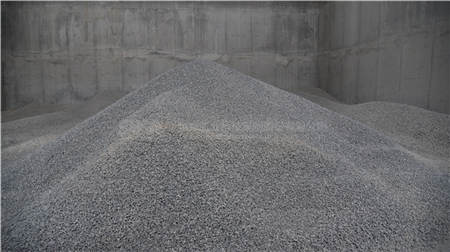
A quarry in Texas upgraded to tungsten carbide-tipped grinding stones in their VSI crushers, achieving a 40% longer service life compared to traditional steel variants. The switch reduced replacement costs by 30% and improved product gradation for ASTM-compliant concrete sand.
Grinding stones for drills are indispensable in modern aggregate processing, bridging the gap between raw material extraction and high-performance construction materials. As technology advances, their role in sustainable and efficient production will only grow more vital.
(Note: References to specific brands or proprietary technologies are omitted for neutrality.)