The Ultimate Guide to Alluvial Clay Gold Ore Washing Machines in the Sand and Aggregate Industry
The sand and aggregate industry plays a crucial role in construction, mining, and infrastructure development. Among its key applications, gold ore processing—particularly alluvial deposits—demands specialized washing and separation equipment. Alluvial clay gold ore, often found in riverbeds or sedimentary environments, contains fine gold particles mixed with clay, silt, and gravel. Traditional extraction methods struggle with clay-bound gold, making efficient washing machines essential for maximizing recovery rates.
1. High-Pressure Water Jets – Breaks down stubborn clay layers to liberate gold particles.
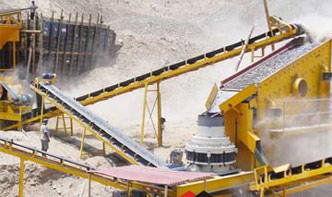
2. Trommel or Rotary Scrubber – Aggregates are tumbled to remove sticky clay coatings.
3. Vibrating Screen or Sieve – Separates coarse waste from fine gold-bearing material.
4. Sluice Box or Centrifuge – Further concentrates gold through gravity separation.
5. Durable Construction – Resistant to abrasion from clay and gravel, often made from high-grade steel or polyurethane.
Top-performing machines, such as trommel scrubbers or log washers, combine these features to optimize recovery while minimizing water and energy consumption.
Q1: What’s the difference between a trommel scrubber and a log washer?
Q2: How much water is required for alluvial gold washing?
Q3: Can these machines handle hard rock gold ore?
A mining operation in Ghana faced low gold recovery due to clay-rich alluvial ore. After deploying a 200 TPH trommel scrubber with integrated sluice boxes, gold recovery improved by 40%, while water usage dropped by 30% thanks to a closed-loop water recycling system.
Selecting the right alluvial clay gold ore washing machine depends on material composition, throughput needs, and environmental considerations. Investing in robust, water-efficient technology ensures higher yields and sustainable operations in the competitive sand and aggregate sector.

