The Role of Roller Mill Plants in Modern Aggregate Processing: A Focus on Berketli and Ugur
The aggregate and sand production industry is a cornerstone of global infrastructure development. As urbanization accelerates, the demand for high-quality crushed stone, sand, and gravel has surged, driving innovations in crushing and grinding technology. Among the key players in this sector, roller mill plants—such as those manufactured by Berketli and Ugur—have emerged as efficient solutions for producing finely graded aggregates.
Industry Background
Aggregate processing has evolved from simple jaw crushing to sophisticated systems integrating multiple stages of size reduction. Roller mills, specifically, are favored for their ability to produce uniform particle sizes with minimal fines generation, making them ideal for concrete, asphalt, and railway ballast production. The shift toward sustainable practices has further emphasized energy-efficient equipment like roller mills, which reduce power consumption compared to traditional impact crushers.
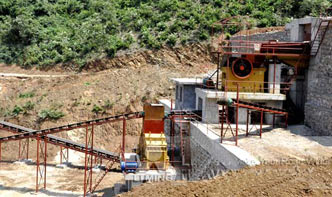
Core Advantages of Berketli and Ugur Roller Mills
1. Precision Grinding: These mills utilize counter-rotating rollers to apply controlled compressive forces, ensuring consistent output gradation (0–5 mm for sand or 5–20 mm for coarse aggregates).
2. Low Wear Costs: Hardened alloy rollers and modular designs extend service life, reducing downtime for maintenance.
3. Flexibility: Adjustable roller gaps allow quick adaptation to varying feed materials (e.g., limestone, basalt, or recycled concrete).
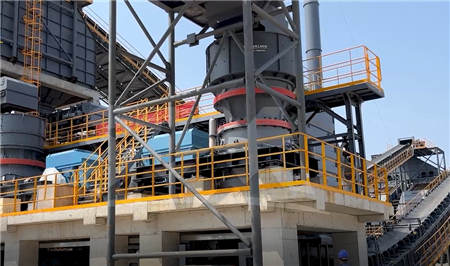
Engineering Case Study
A quarry in Turkey replaced its vertical shaft impactor (VSI) with a Ugur roller mill, achieving a 30% reduction in energy consumption while maintaining a 200 TPH output of ASTM C33-compliant sand. The plant also reported a 50% drop in wear-part replacements annually.
FAQ Section
Q: Can roller mills handle wet or sticky materials?
A: Yes, but pre-screening or drying may be required to prevent roller clogging.
Q: How does particle shape compare to cone crushers?
A: Roller mills produce more cubical particles, enhancing concrete workability.
Q: What’s the typical lifespan of rollers?
A: 8,000–12,000 hours, depending on abrasiveness of feed material.
Future Trends
Integration with AI-driven automation for real-time gap adjustment and predictive maintenance is poised to redefine roller mill efficiency. Berketli’s recent pilot project in Germany demonstrated a 15% throughput boost using IoT-enabled load sensors.
In conclusion, roller mill plants like those from Berketli and Ugur are transforming aggregate processing by merging precision, sustainability, and cost-effectiveness—a trifecta critical for modern construction demands.

