The Growing Demand for Used Concrete Batch Plants in Canada’s Aggregates Industry
The aggregates and construction materials sector in Canada is experiencing steady growth, driven by infrastructure development, urbanization, and sustainable building practices. Concrete batch plants play a pivotal role in this industry, enabling the efficient production of high-quality concrete for projects ranging from residential buildings to large-scale highways. As contractors and producers seek cost-effective solutions, the market for used concrete batch plants has gained traction.
Canada’s vast natural resources, including limestone, granite, and sand, make it a hub for aggregate production. With stringent environmental regulations and a focus on recycling construction waste, used equipment like concrete batch plants offers a sustainable alternative to new machinery. These plants are often refurbished to meet modern operational standards, reducing upfront costs while maintaining productivity.
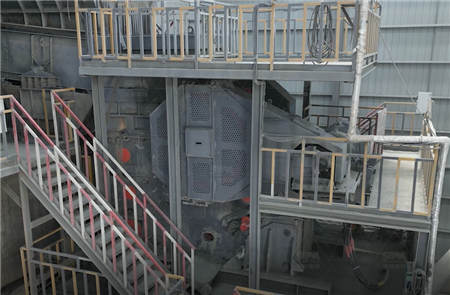
1. Capacity and Configuration: Batch plants range from small portable units (30–50 m³/hr) to large stationary systems (100+ m³/hr). Buyers should assess project requirements to match plant output.
2. Condition and Maintenance: Inspect critical components such as mixers, conveyors, and control systems. Well-maintained plants with service records are preferable.
3. Compliance: Ensure the plant meets Canadian safety and environmental standards (e.g., emissions controls).
4. Price Range: Used plants in Canada typically cost between $50,000 to $500,000 CAD, depending on age, capacity, and features.
Q: How long does a used concrete batch plant last?
A: With proper maintenance, a refurbished plant can operate for 10–15 years. Key components like mixers may require periodic upgrades.
Q: Are spare parts readily available for older models?
A: Many manufacturers offer legacy support, but buyers should verify parts availability before purchase.
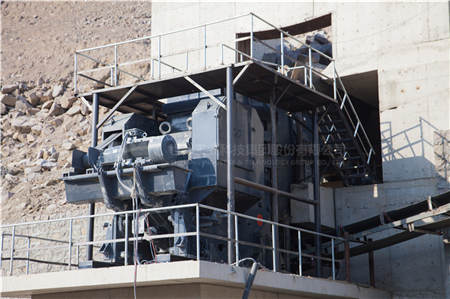
Q: Can used plants handle modern admixtures or recycled aggregates?
A: Yes, but modifications may be needed for advanced mixing technologies or alternative materials.
A mid-sized contractor in Toronto acquired a used 60 m³/hr batch plant for a municipal road expansion. The plant, originally from a decommissioned facility, was upgraded with a new control system and dust filters. The project achieved a 30% cost savings compared to leasing a new plant, with no compromise on concrete quality.
The Canadian market for used concrete batch plants offers a practical solution for cost-conscious operators. By evaluating plant condition, compliance, and scalability, buyers can leverage pre-owned equipment to meet growing demand while adhering to sustainability goals. As infrastructure investments continue, the versatility of these plants ensures their relevance in the evolving aggregates industry.

