The Growing Demand for Basalt Fiber Production Lines in the Aggregates Industry
The construction and infrastructure sectors are increasingly turning to advanced materials like basalt fiber, renowned for its high strength, corrosion resistance, and thermal stability. As a byproduct of volcanic rock, basalt fiber is gaining traction as a sustainable alternative to traditional materials like steel and fiberglass. This shift has spurred demand for efficient basalt fiber production lines, integrating crushing, melting, and fiber extrusion processes.
The global push for eco-friendly construction materials has elevated basalt fiber’s role in projects requiring durability and low environmental impact. Unlike carbon fiber, basalt production avoids toxic chemicals, aligning with green building standards. The aggregates industry, traditionally focused on sand and gravel, now sees basalt fiber as a value-added product, diversifying revenue streams.
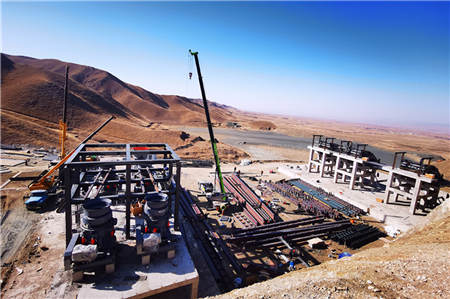
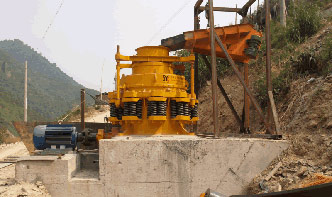
1. Raw Material Processing: Basalt rock is crushed into uniform fragments (5–20mm) using jaw or cone crushers, ensuring optimal melting efficiency.
2. Melting Furnace: Electric or gas-fired furnaces heat basalt to 1,500°C, forming a homogenous melt.
3. Fiber Extrusion: Molten basalt is drawn through platinum-rhodium bushings to create continuous filaments, which are then coated with sizing for adhesion.
4. Product Manufacturing: Fibers are woven into mats, rebar, or composite materials for construction, automotive, or aerospace applications.
Q: How does basalt fiber compare to E-glass fiber?
A: Basalt offers 30% higher tensile strength and better alkali resistance, though initial costs are 10–15% higher.
Q: What’s the energy consumption of a melting furnace?
A: Modern electric furnaces consume ~2.5 kWh/kg of fiber, with hybrid designs reducing costs further.
A 2022 project in Osaka utilized basalt fiber-rebar for a coastal bridge, slashing maintenance costs by 40% compared to steel. The production line, supplied by a European manufacturer, achieved 98% uptime through automated temperature controls.
As sustainability mandates tighten, basalt fiber production lines present a strategic investment for aggregates producers. Key to success is selecting scalable technology tailored to end-market requirements—whether for construction composites or high-performance textiles.

