Process Layout of Crushing Plant in the Aggregate Industry
The aggregate industry plays a pivotal role in construction, providing essential materials like sand, gravel, and crushed stone for infrastructure projects. A well-designed crushing plant layout is critical to ensuring efficiency, productivity, and cost-effectiveness.
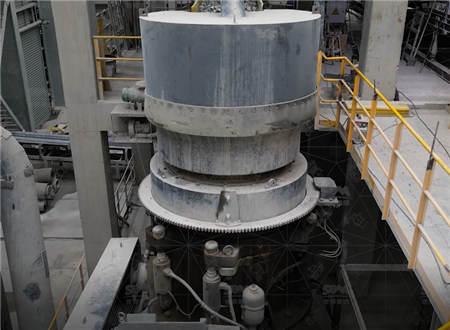
With the global surge in urbanization and infrastructure development, demand for high-quality aggregates has skyrocketed. Crushing plants are central to processing raw materials into usable sizes, catering to applications in concrete production, road base, and railway ballast.
1. Primary Crushing Stage:
– Typically involves a jaw crusher or gyratory crusher to reduce large rocks into smaller, manageable sizes.
– Feeders and vibrating screens ensure consistent material flow.
2. Secondary and Tertiary Crushing:
– Cone crushers or impact crushers further refine the material to desired specifications.
– Closed-circuit systems with screens improve particle size control.
3. Screening and Classification:
– Vibrating screens segregate materials into different grades (e.g., 0-5mm, 5-20mm).
– Air classifiers or washing systems may be integrated for fine material processing.
4. Material Handling and Storage:
– Conveyors transport crushed aggregates to storage silos or stockpiles.
– Dust suppression systems minimize environmental impact.
Q: What factors influence the layout of a crushing plant?
A: Key considerations include material hardness, production capacity, site topography, and environmental regulations.
Q: How can operational efficiency be improved?
A: Optimizing equipment placement, reducing material transfer points, and implementing automation enhance throughput.
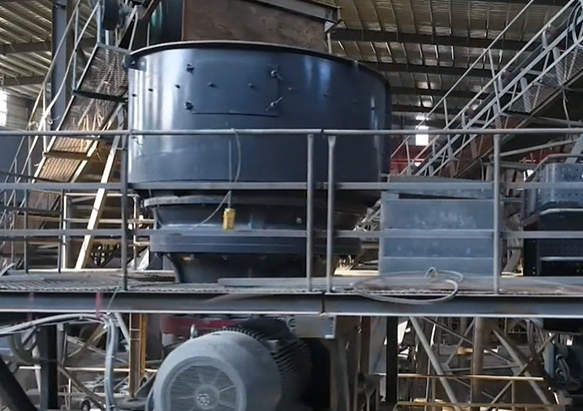
A quarry in Texas upgraded its crushing plant with a three-stage layout (jaw crusher + cone crusher + VSI crusher), achieving 30% higher output while reducing energy consumption. The strategic placement of screens minimized re-crushing, improving overall efficiency.
A well-planned crushing plant layout maximizes productivity and minimizes downtime. By integrating advanced equipment and automation, operators can meet growing demand while adhering to sustainability standards. The future of aggregate processing lies in smart, energy-efficient designs tailored to specific project requirements.

