The Role of Quarry Dust in Modern Aggregate Production
The construction industry relies heavily on high-quality aggregates, and quarry dust has emerged as a critical byproduct in stone crushing and sand-making processes. As a fine material generated during rock crushing, quarry dust’s chemical composition typically mirrors its parent rock, primarily consisting of silica (SiO₂), alumina (Al₂O₃), and traces of iron oxide (Fe₂O₃), calcium oxide (CaO), and other minerals. Its properties make it suitable for applications like concrete production, road base layers, and filler material.
Industry Background
With urbanization driving demand for sustainable construction materials, quarry dust offers an eco-friendly alternative to natural sand. Modern crushing equipment, such as vertical shaft impactors (VSI) and cone crushers, optimizes dust production while ensuring consistent particle size distribution. Advanced screening and washing systems further refine the material for specific applications.
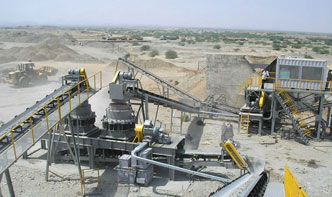
Product Core: Crushing Equipment
1. Jaw Crushers: Primary crushing of large rocks into smaller fragments.
2. Cone Crushers: Secondary crushing for finer output, reducing dust generation.
3. VSI Crushers: Shape and refine particles, producing cubical dust ideal for concrete.
4. Screening Systems: Separate dust into usable gradations.
Key Benefits of Quarry Dust
FAQ
Q: Can quarry dust replace sand entirely in concrete?
A: Partial replacement (20–40%) is common; full replacement requires mix design adjustments.
Q: How is dust controlled in crushing plants?
A: Water sprays, dust collectors, and enclosed systems minimize airborne particles.
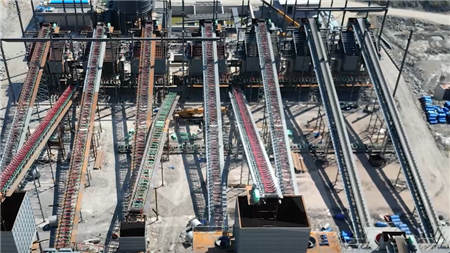
Engineering Case Study
A highway project in Texas utilized quarry dust as a sub-base material, reducing material costs by 15% while maintaining compaction and stability standards. The project highlighted the dust’s suitability for large-scale infrastructure.
Conclusion
Quarry dust exemplifies the industry’s shift toward sustainable practices. With proper processing, it transforms from waste to a valuable resource, supported by advanced crushing technology. As regulations tighten, its role in construction will only expand.

