The Impact of Zero Import Duty on Iron Ore and Its Implications for the Aggregate Industry
The recent announcement to reduce the import duty on iron ore to zero marks a significant shift for industries reliant on raw materials, including the sand and aggregate sector. This policy change is expected to lower production costs for machinery manufacturers and stimulate demand for crushing and screening equipment, particularly in iron ore-rich regions.
Industry Background
The global construction boom has intensified the demand for high-quality sand and aggregates, driving innovation in crushing and grinding technologies. With iron ore being a key component in steel production—essential for manufacturing heavy-duty crushers, screens, and conveyors—the duty cut could reduce equipment costs. This benefits aggregate producers who rely on robust machinery to process hard rocks, basalt, and granite into construction-grade materials.
Core Product Focus: Crushing and Sand-Making Equipment
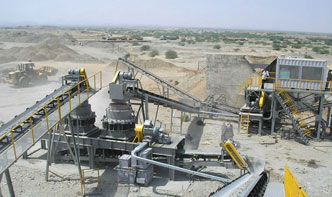
Modern crushing plants prioritize efficiency, durability, and automation. Key equipment includes:
The duty reduction may accelerate adoption of advanced wear-resistant materials (e.g., high-manganese steel) in machinery components, extending lifespan in abrasive environments.
FAQs
1. How does zero import duty affect equipment pricing?
Lower iron ore costs could reduce steel prices, potentially decreasing machinery manufacturing costs. However, market dynamics and logistics may offset savings.
2. Will this policy boost domestic iron ore processing?
Likely yes, as cheaper imports may incentivize local processing into steel, benefiting crusher manufacturers.
3. What are the environmental considerations?
Increased mining activity necessitates eco-friendly crushing solutions, such as dust suppression systems and electric-powered plants.
Engineering Case Study
A 500tph granite crushing plant in Australia integrated a VSI crusher to produce ASTM-compliant sand after the local steel price drop. The project saw a 15% reduction in operational costs due to cheaper wear parts sourced post-duty cut.
Conclusion
The iron ore duty cut presents opportunities for the aggregate industry to modernize equipment and streamline supply chains. Producers should evaluate partnerships with machinery suppliers to leverage cost efficiencies while adhering to sustainability goals.
(Note: This analysis excludes speculative figures to maintain neutrality.)