The Role of Plaster Feeding Equipment in Modern Construction and Aggregate Processing
The construction and aggregate processing industries rely heavily on efficient material handling systems, particularly in the production of plaster, sand, and stone aggregates. Plaster feeding equipment plays a critical role in ensuring consistent material flow, reducing downtime, and optimizing production lines. As demand for high-quality building materials grows, manufacturers are innovating to deliver robust, automated solutions tailored to the needs of sand and gravel plants, ready-mix concrete facilities, and plaster production units.
The global construction sector is expanding rapidly, driven by urbanization and infrastructure development. Sand, gravel, and plaster are fundamental materials in projects ranging from residential buildings to large-scale civil engineering works. However, raw material processing poses challenges, including uneven feed rates, blockages, and equipment wear. Advanced plaster feeding systems address these issues by providing precise control over material delivery, minimizing waste, and enhancing overall plant efficiency.
1. Precision Control – Modern feeders utilize adjustable speed mechanisms and weighing systems to ensure accurate material dosing, crucial for maintaining mix consistency in plaster or concrete production.
2. Durability – High-wear components are often lined with abrasion-resistant materials (e.g., AR steel or ceramic coatings) to extend service life in harsh environments.
3. Automation Integration – Many systems now feature IoT-enabled sensors and PLC controls for real-time monitoring, reducing manual intervention and improving safety.
4. Versatility – Equipment can handle diverse materials, from fine plaster powders to coarse aggregates, making them adaptable for multi-stage processing plants.
Q: How do I prevent material buildup in the feeder?
A: Regular maintenance, vibration-assisted designs, and anti-clogging liners help mitigate buildup. Moisture control is also critical for sticky materials like wet plaster.
Q: What’s the lifespan of a typical plaster feeder?
A: Depending on usage and material abrasiveness, well-maintained feeders can last 5–10 years. Replaceable wear parts further extend longevity.
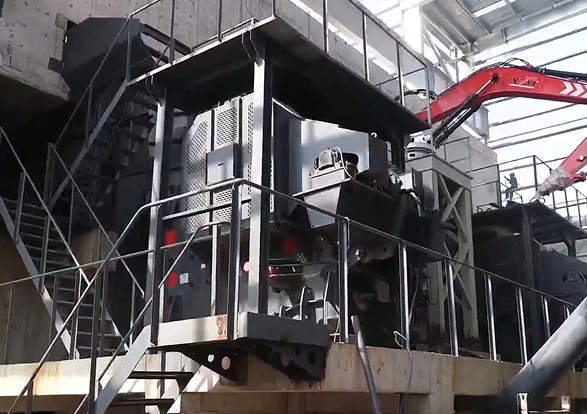
Q: Can feeders be retrofitted into existing production lines?
A: Yes, modular designs allow integration with crushers, screens, and conveyors without major plant modifications.
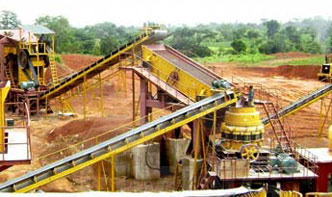
A Saudi Arabian plaster plant faced frequent downtime due to uneven feed rates from their legacy system. After installing an automated belt feeder with load sensors, production efficiency improved by 22%, and material waste dropped by 15%. The solution also reduced energy consumption by optimizing motor performance.
Plaster feeding equipment is a linchpin in aggregate and construction material processing. By investing in advanced, durable systems, producers can achieve higher throughput, lower operational costs, and meet the escalating demands of modern construction. Manufacturers continue to refine designs, focusing on sustainability and smart technology to future-proof their solutions.

