The Impact of Quarry Exploitation and the Role of Crushing & Sand-Making Equipment in the Aggregates Industry
Industry Background
The global construction sector’s insatiable demand for aggregates—crushed stone, sand, and gravel—has intensified quarry exploitation. While quarries supply essential raw materials, unchecked extraction poses environmental and social challenges, including habitat destruction, water pollution, and community displacement. To mitigate these impacts, the industry is adopting advanced crushing and sand-making technologies that optimize resource efficiency and reduce waste.
Core Equipment Solutions
Modern crushing and sand-making equipment plays a pivotal role in sustainable quarry operations:
1. Jaw Crushers & Cone Crushers: Primary and secondary crushing machines that reduce large rocks to manageable sizes with high energy efficiency.
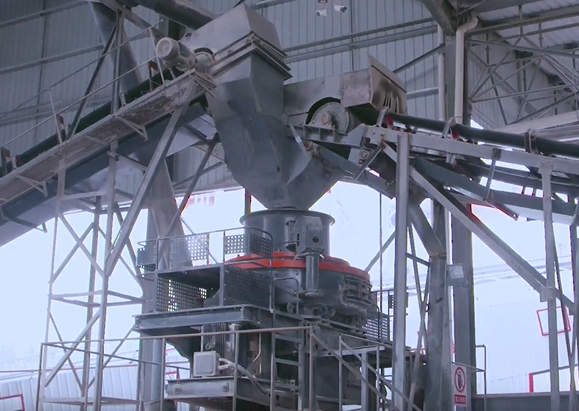
2. Vertical Shaft Impact (VSI) Crushers: Produce finely graded artificial sand, ideal for concrete and asphalt, while recycling quarry byproducts.
3. Mobile Crushing Plants: Enable on-site processing, minimizing transport emissions and enabling rehabilitation of depleted quarry sites.
Environmental Mitigation
Advanced equipment reduces over-reliance on materials:
Common FAQ
Q: How does crushing equipment improve quarry sustainability?
A: By maximizing yield per ton of extracted material and enabling use of low-grade deposits, reducing the need for new quarries.
Q: Can manufactured sand replace natural sand?
A: Yes. VSI crushers produce sand with superior particle shape and gradation, meeting concrete standards while conserving riverine ecosystems.

Engineering Case
A quarry in Norway implemented a hybrid fixed/mobile crushing system to process granite waste into railway ballast, cutting raw material demand by 30%. Dust suppression systems reduced particulate emissions by 70%, aligning with EU Green Deal targets.
Conclusion
Responsible quarry exploitation hinges on technology adoption. Crushing and sand-making innovations not only enhance productivity but also align the aggregates industry with circular economy principles—balancing growth with planetary boundaries. Regulatory pressures and ESG commitments will further drive this transformation.

