Industrial Applications of Iron in Aggregate and Sand Production Equipment
The iron and steel industry plays a pivotal role in the construction sector, particularly in manufacturing durable and high-performance crushing and sand-making equipment. As urbanization and infrastructure projects surge globally, the demand for high-quality aggregates and manufactured sand has intensified, driving innovations in iron-based machinery.
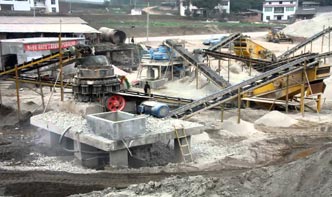
Aggregates (crushed stone, gravel, and sand) are essential for concrete, asphalt, and road base materials. Natural sand shortages and environmental restrictions have shifted focus to manufactured sand (M-Sand) produced by crushing hard rocks. Iron-based equipment like jaw crushers, cone crushers, and vertical shaft impactors (VSIs) are critical for processing raw materials into precise, gradation-controlled aggregates.
1. Jaw Crushers: High-manganese steel (iron alloy) jaws withstand abrasive wear, crushing large rocks into smaller fragments.
2. Cone Crushers: Iron-alloy mantles and concaves ensure longevity in secondary/tertiary crushing.
3. VSI Crushers: Iron-tipped rotors and anvils shape aggregates into cubical particles for superior concrete strength.
4. Screens and Feeders: Reinforced iron frames and mesh screens enable efficient sizing and material separation.
Iron’s durability, machinability, and cost-effectiveness make it ideal for wear parts subjected to high-impact and abrasive conditions. Advanced alloys (e.g., high-chromium iron) further extend equipment lifespan.
Q1: Why choose manufactured sand over natural sand?
A: M-Sand offers consistent gradation, better concrete strength, and reduces environmental degradation from riverbed mining.
Q2: How to mitigate wear in iron crusher components?
A: Regular maintenance, proper lubrication, and using wear-resistant alloys (e.g., martensitic steel) reduce downtime.
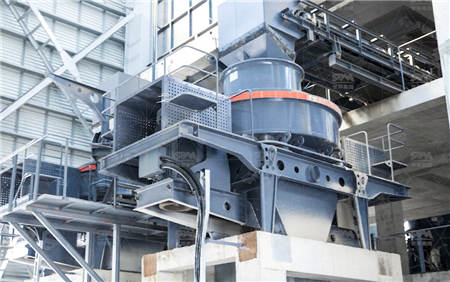
Q3: What’s the typical output of a VSI crusher for M-Sand?
A: Depending on feed size and hardness, outputs range 50–500 tons/hour, with adjustable rotor speed for particle shape control.
A quarry in Texas replaced its outdated crushers with iron-reinforced VSIs, increasing M-Sand production by 40% while reducing maintenance costs. The switch to high-chromium iron wear parts extended component life from 3 to 8 months, showcasing iron’s adaptability in harsh operational environments.
Iron’s versatility and strength underpin the efficiency of modern aggregate processing. As sustainability and performance demands grow, iron-based innovations will continue to shape the future of sand and aggregate production.

