The Evolution of Crushing and Screening Equipment in the Aggregate Industry
The aggregate industry plays a pivotal role in global infrastructure development, supplying materials for construction, road building, and concrete production. Central to this sector are crushers and screening equipment, which transform raw stone into usable aggregates like sand, gravel, and crushed stone.
1. Jaw Crushers: Ideal for primary crushing, these machines use compressive force to break large rocks into smaller pieces. Their robust design ensures durability in harsh quarry environments.
2. Impact Crushers: Utilizing high-speed rotors, these crushers are perfect for producing cubical-shaped aggregates, commonly used in asphalt and concrete mixes.
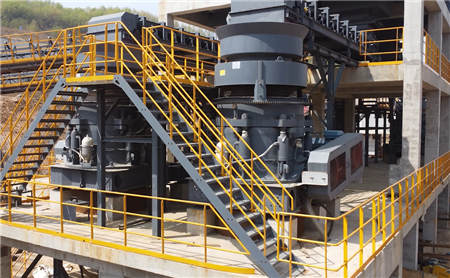
3. Cone Crushers: Suited for secondary and tertiary crushing, cone crushers deliver fine-to-medium aggregates with high precision and efficiency.
4. Mobile Crushers: Offering flexibility, these portable units reduce transportation costs and enable on-site processing in remote locations.
Q: How often should crusher wear parts be replaced?
A: Depending on abrasiveness, jaw plates and liners may last 3–6 months. Regular inspection is critical.
Q: Can recycled concrete be processed in standard crushers?
A: Yes, but pre-screening to remove rebar and contaminants is recommended.
Q: What’s the ROI for mobile vs. stationary crushers?
A: Mobile units offer faster deployment but higher upfront costs. Stationary plants excel in long-term, high-volume production.
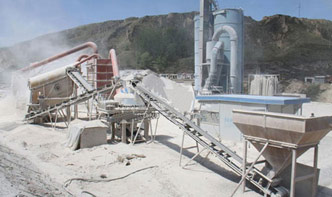
A Middle Eastern quarry upgraded to a three-stage crushing system (jaw + cone + VSI crusher), increasing output by 30% while reducing energy consumption. Automated screening reduced labor costs by 15%.
The aggregate industry continues to innovate, balancing productivity and sustainability. Investing in the right crushing technology is key to staying competitive in this dynamic market.

