The Crushing and Sand-Making Equipment Industry: A Comprehensive Overview
The global construction boom has fueled unprecedented demand for high-quality sand and aggregates, driving growth in the crushing and sand-making equipment sector. As urbanization accelerates and infrastructure projects multiply, the need for efficient, durable machinery to process raw materials like granite, limestone, and river pebbles has become critical.
Sand and aggregates form the backbone of concrete, asphalt, and road bases, with annual global consumption exceeding 50 billion metric tons. Traditional methods of extraction often face environmental scrutiny, pushing manufacturers to innovate sustainable solutions. Modern crushing and sand-making equipment now prioritize energy efficiency, low noise, and reduced dust emissions, aligning with stricter environmental regulations.
1. Jaw Crushers: Primary crushing machines for hard, abrasive materials, offering high throughput and adjustable discharge sizes.
2. Cone Crushers: Ideal for secondary/tertiary crushing, delivering finely graded aggregates for high-spec applications like railway ballast.
3. Impact Crushers: Versatile for soft to medium-hard rocks, producing cubical-shaped end products suitable for concrete.
4. Sand Makers (VSI Crushers): Key for artificial sand production, using a “rock-on-rock” or “rock-on-iron” crushing principle to achieve optimal particle shape.
Advanced automation (e.g., IoT-enabled monitoring) and modular designs are now industry standards, minimizing downtime and optimizing output.
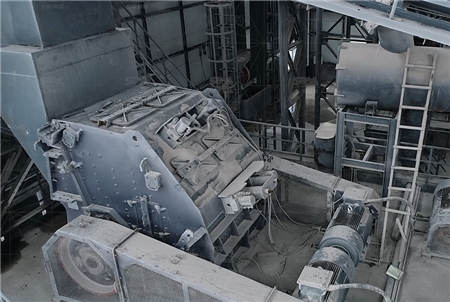
A: Fixed plants suit large-scale, long-term projects, while mobile units offer flexibility for scattered sites.
A: Depends on material hardness; typically 500–1,000 hours for abrasive rocks. Premium alloys can extend this.
A: Use water sprays, enclosed conveyors, or dry fog systems combined with bag filters.
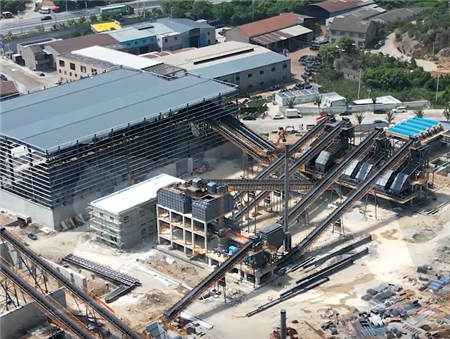
A Malaysian granite quarry upgraded to a 500-tph hybrid crushing plant (jaw + cone + VSI), achieving 0–5mm sand with <10% flakiness. The setup reduced fuel costs by 15% via electric-driven units and cut waste with a closed-loop water recycling system.
The shift toward recycled aggregates (e.g., demolition waste) and hybrid power solutions (solar/diesel) will reshape the industry. Meanwhile, AI-driven predictive maintenance is set to revolutionize operational efficiency.
By investing in cutting-edge technology and sustainable practices, stakeholders can secure a competitive edge in this dynamic market.

