The Rise of Portable Electric Rock Crushers in the Aggregate Industry
The global construction and mining sectors are increasingly prioritizing efficiency, sustainability, and mobility in material processing. As demand for high-quality sand and gravel surges—driven by infrastructure projects and urbanization—portable electric rock crushers have emerged as a game-changing solution. Unlike traditional diesel-powered units, these machines offer lower operational costs, reduced emissions, and unparalleled flexibility for on-site crushing.
Aggregates form the backbone of modern construction, accounting for 80% of concrete and 94% of asphalt mixes. However, conventional crushing systems face challenges:
Portable electric crushers address these pain points by enabling:
These crushers integrate advanced jaw or impact crushing mechanisms with electric drive systems. Key features include:
Q1: What’s the typical output capacity?
A: Compact models process 50–200 TPH, while industrial units exceed 500 TPH.
Q2: Can they handle hard rock like granite?
A: Yes, with hardened steel jaws/cones, but abrasion-resistant linings are recommended.
Q3: Are permits required for electric units?
A: Permitting is simplified vs. diesel crushers, but local noise/power regulations may apply.
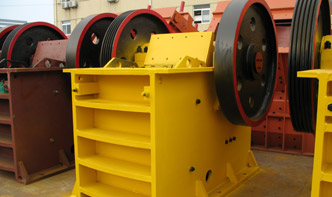
A contractor in Germany deployed a 150-TPH electric jaw crusher to demolish and repurpose concrete waste in downtown Berlin. Results:
Portable electric rock crushers exemplify the aggregate industry’s shift toward cleaner, smarter technology. By reducing carbon footprints and operational hurdles, they unlock new opportunities in recycling, mining, and urban construction. As battery tech advances, these systems will further displace legacy diesel equipment—ushering in a greener era for material processing.

