Dry Separation Equipment for Coal and Stone: Enhancing Efficiency in Aggregate Processing
The mining and aggregate industry continually seeks innovative solutions to improve material processing efficiency, reduce environmental impact, and lower operational costs. Dry separation technology for coal and stone has emerged as a game-changer, particularly in regions with water scarcity or strict environmental regulations. Unlike traditional wet separation methods, dry separation eliminates the need for water, minimizing sludge generation and simplifying waste management.
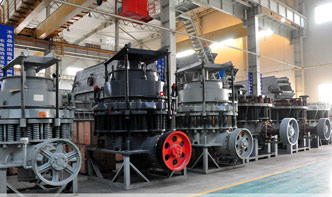
The demand for high-quality sand, gravel, and crushed stone is driven by infrastructure development, urbanization, and construction projects worldwide. Conventional processing relies on water-based separation, which consumes significant resources and poses disposal challenges for tailings. Dry separation equipment addresses these issues by using air flow, vibration, and gravity to sort materials based on density, size, and shape.
1. Air Jigging: Utilizes pulsating air to stratify materials, allowing heavier particles (e.g., stone) to settle while lighter coal or sand is extracted.
2. Vibrating Screens with Airflow: Combines mechanical vibration and air classification to separate fine and coarse aggregates.
3. Optical Sorting: Advanced sensors detect material properties (color, texture) and use compressed air to eject impurities.
Key advantages include:
Q: Is dry separation as effective as wet methods?
A: For certain materials (e.g., coarse aggregates), dry separation achieves comparable purity. Fine material separation may require hybrid systems.
Q: What maintenance is required?
A: Regular cleaning of air filters and inspection of vibrating components are essential to maintain efficiency.
Q: Can it handle high-moisture feed?
A: Pre-drying may be necessary for optimal performance.
A quarry implemented dry air jigging to replace water-based separation, reducing water usage by 90% and cutting waste disposal costs by 30%. The system achieved 95% purity in crushed limestone output, meeting ASTM specifications for construction use.
Dry separation equipment offers a sustainable alternative for coal and stone processing, aligning with global trends toward resource efficiency. As technology advances, its adoption in the aggregate industry is expected to grow, driven by environmental and economic benefits.

