The Cost of Stationary Granite Crushers in the Aggregates Industry
The aggregates industry plays a critical role in infrastructure development, providing essential materials like crushed stone, sand, and gravel for construction projects. Among the key equipment in this sector, stationary granite crushers are widely used due to their durability, efficiency, and ability to process hard materials like granite into high-quality aggregates.
Global demand for construction aggregates continues to rise, driven by urbanization and infrastructure projects. Granite, as a hard and abrasive rock, requires robust crushing solutions to produce uniform-sized particles for concrete, asphalt, and road base applications. Stationary crushers, unlike mobile units, are permanently installed at quarries or plants, offering higher throughput and lower operating costs over time.

1. Equipment Type – Jaw crushers, cone crushers, and impact crushers are common choices. Jaw crushers are cost-effective for primary crushing, while cone crushers provide finer output for secondary/tertiary stages.
2. Production Capacity – Higher-capacity models (e.g., 200-500 t/h) have higher upfront costs but lower long-term operational expenses per ton.
3. Wear Parts & Maintenance – Granite’s abrasiveness increases wear on liners, hammers, and mantles. Selecting crushers with easy maintenance access and durable materials reduces downtime costs.
4. Energy Efficiency – Modern crushers with optimized designs and hydraulic systems can lower power consumption, impacting operational expenses.
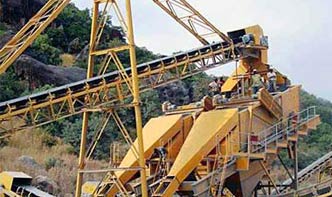
5. Installation & Infrastructure – Stationary crushers require foundations, conveyors, and screening systems, adding to initial setup costs.
Q: What is the price range for a stationary granite crusher?
A: Prices vary from $50,000 for small jaw crushers to over $500,000 for high-capacity cone crushers, depending on specifications.
Q: How long do granite crushers last?
A: With proper maintenance, a well-built crusher can operate for 15-20 years. Regular wear part replacement is essential.
Q: Are there financing options available?
A: Many manufacturers and dealers offer leasing or financing plans to spread out costs.
A quarry in Texas upgraded to a stationary cone crusher to process granite for road construction. The $300,000 investment improved product consistency and reduced maintenance downtime by 30%, achieving ROI within two years.
While the initial cost of a stationary granite crusher is significant, long-term benefits in productivity, efficiency, and material quality justify the investment. Careful selection based on production needs and maintenance planning ensures optimal returns in the aggregates industry.

