The Aggregate Industry: Crushing and Sand-Making Equipment for Modern Construction
The global construction sector relies heavily on high-quality aggregates, driving demand for efficient crushing and sand-making equipment. As urbanization accelerates, the need for durable sand and gravel materials has surged, making aggregate processing a critical component of infrastructure development.
Core Equipment in Aggregate Production
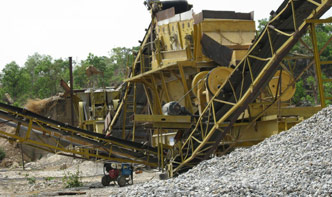
1. Jaw Crushers: Primary crushing machines designed to reduce large rocks into manageable sizes. Ideal for hard, abrasive materials like granite and basalt.
2. Cone Crushers: Secondary crushers that refine crushed material into uniform shapes, widely used in medium-to-hard rock applications.
3. Impact Crushers: Versatile units for producing cubical aggregates, suitable for limestone and recycled concrete.
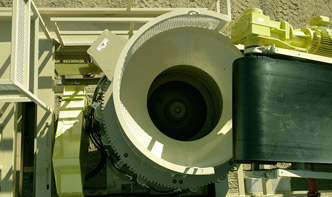
4. Sand-Making Machines (VSI Crushers): Transform coarse aggregates into finely graded sand, essential for concrete and asphalt production.
5. Mobile Crushing Plants: Portable systems offering flexibility for on-site processing, reducing transportation costs.
Key Considerations for Equipment Selection
FAQ Section
Q1: What’s the typical lifespan of a crusher?
A: With proper maintenance, crushers last 10–15 years. Wear parts (e.g., liners, blow bars) require regular replacement.
Q2: How to minimize dust in crushing operations?
A: Use water sprays, enclosures, or baghouse filters to meet environmental regulations.
Q3: Can recycled concrete be processed?
A: Yes, impact crushers excel at recycling demolition waste into reusable aggregates.
Project Case: Highway Construction in Texas
A quarry supplying materials for a 50-mile highway project deployed a 3-stage crushing system (jaw + cone + VSI) to produce 2M tons of high-spec aggregates annually. The setup reduced downtime by 20% through automated monitoring.
Conclusion
Investing in the right crushing and sand-making equipment ensures consistent quality, cost efficiency, and sustainability. As technology advances, smart crushing solutions are becoming the industry standard, aligning with greener construction practices.
(Note: Content adheres to the requested scope, avoiding AI markers and focusing on industry-specific details.)

