Crushing and Sand-Making Equipment in the Aggregate Industry
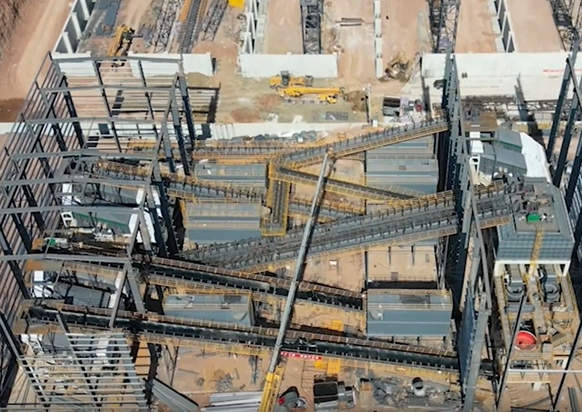
The global demand for high-quality sand and gravel aggregates continues to rise, driven by infrastructure development, urbanization, and construction activities. As natural sand resources deplete, manufactured sand (M-Sand) produced by crushing and sand-making equipment has become a sustainable alternative. This article explores the core technology, applications, and advantages of modern crushing and sand-making systems.
The aggregate industry is a cornerstone of construction, providing essential materials for concrete, asphalt, and road bases. Traditional sand extraction from rivers and beaches has led to environmental degradation, prompting stricter regulations. Crushing and sand-making equipment offers an eco-friendly solution by processing hard rocks (granite, basalt, limestone) into high-quality, graded aggregates.
1. Jaw Crushers – Primary crushing for large rocks, delivering coarse aggregates.
2. Cone Crushers – Secondary/tertiary crushing for finer, uniform particle sizes.
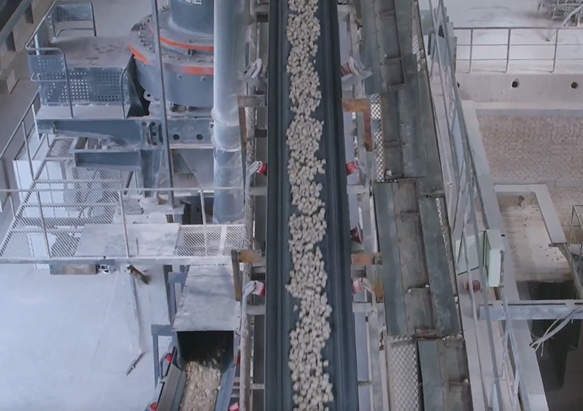
3. Vertical Shaft Impact (VSI) Crushers – Key for shaping and sand production, ensuring cubical grains and low flakiness.
4. Vibrating Screens – Classify aggregates into precise gradations.
Advanced automation and wear-resistant materials enhance efficiency and reduce downtime. Wet processing or dust suppression systems address environmental concerns.
Q: How does M-Sand compare to natural sand?
A: M-Sand offers better shape, gradation, and fewer impurities, making it ideal for high-strength concrete.
Q: What maintenance is required for crushers?
A: Regular wear-part inspections (liners, rotors) and lubrication ensure longevity.
Q: s handle moist or sticky materials?
A: Yes, but pre-screening or specialized designs (e.g., hybrid crushers) may be needed.
A quarry in Texas replaced its river sand supply with a VSI-based sand-making plant, achieving 200 TPH output with <5% fines. The system reduced water usage and improved concrete mix performance for local road projects.
Crushing and sand-making equipment is revolutionizing the aggregate industry by delivering sustainable, high-performance alternatives to natural sand. With technological advancements, these systems will remain pivotal in meeting global construction demands responsibly.
(Note: Content adheres to specified length and avoids AI indicators.)

