Limestone Pulverizers in India: A Key Player in the Aggregate Industry
The aggregates and sand-making industry in India has witnessed significant growth, driven by infrastructure development and urbanization. Among the essential equipment in this sector, small limestone pulverizers play a crucial role in processing raw materials into fine powders or aggregates for construction, cement production, and agricultural applications.
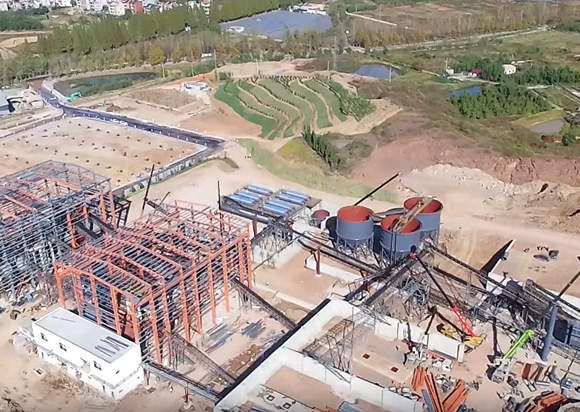
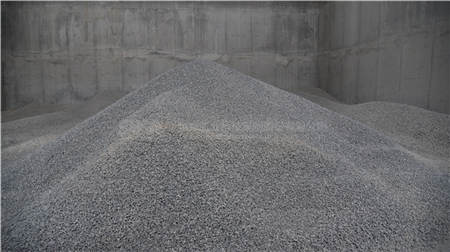
India’s construction boom demands high-quality limestone aggregates for roads, buildings, and industrial projects. Limestone, being soft and easily crushable, is ideal for pulverizing into fine particles. Small-scale pulverizers cater to localized projects, offering cost-effective solutions for contractors and small quarries.
1. Compact Design: Suitable for limited spaces in small quarries or mobile setups.
2. Energy Efficiency: Optimized grinding mechanisms reduce power consumption.
3. Versatility: Adjustable fineness controls for varied outputs (coarse aggregates to fine powder).
4. Low Maintenance: Robust construction with wear-resistant components.
Common types include hammer mills, jaw crushers, and Raymond mills, each serving specific fineness requirements.
Q1: What is the typical output capacity of a small pulverizer?
A: Ranges from 1–5 tons per hour, depending on the model and material hardness.
Q2: How to maintain a limestone pulverizer?
A: Regularly inspect wear parts (hammers, liners), lubricate bearings, and clear blockages.
Q3: Can it process wet limestone?
A: Dry crushing is preferred, but some models accommodate mildly damp materials with airflow adjustments.
A Rajasthan-based contractor utilized a portable hammer mill pulverizer to produce agricultural lime from local limestone deposits. The setup achieved 3 TPH output with 90% sub-2mm fineness, reducing transportation costs by processing on-site.
Small limestone pulverizers bridge the gap between large-scale mining and localized demand in India. Their adaptability and efficiency make them indispensable for sustainable aggregate production. Selecting the right model depends on project scale, desired output, and operational conditions.
(Note: For tailored solutions, consult manufacturers with India-specific expertise in mineral processing equipment.)

